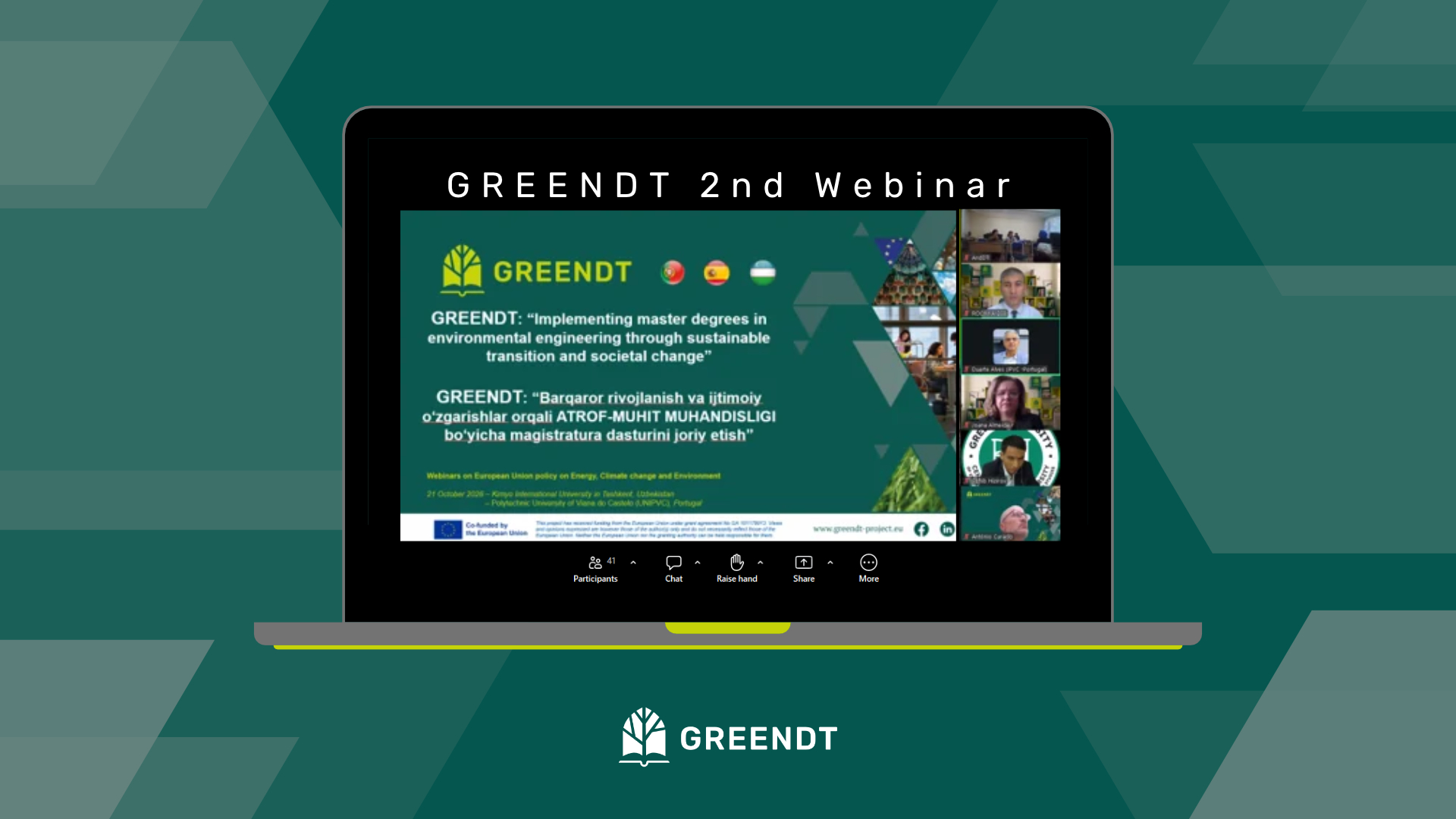

The second GREENDT webinar brings European and Uzbek perspectives on international green cooperation

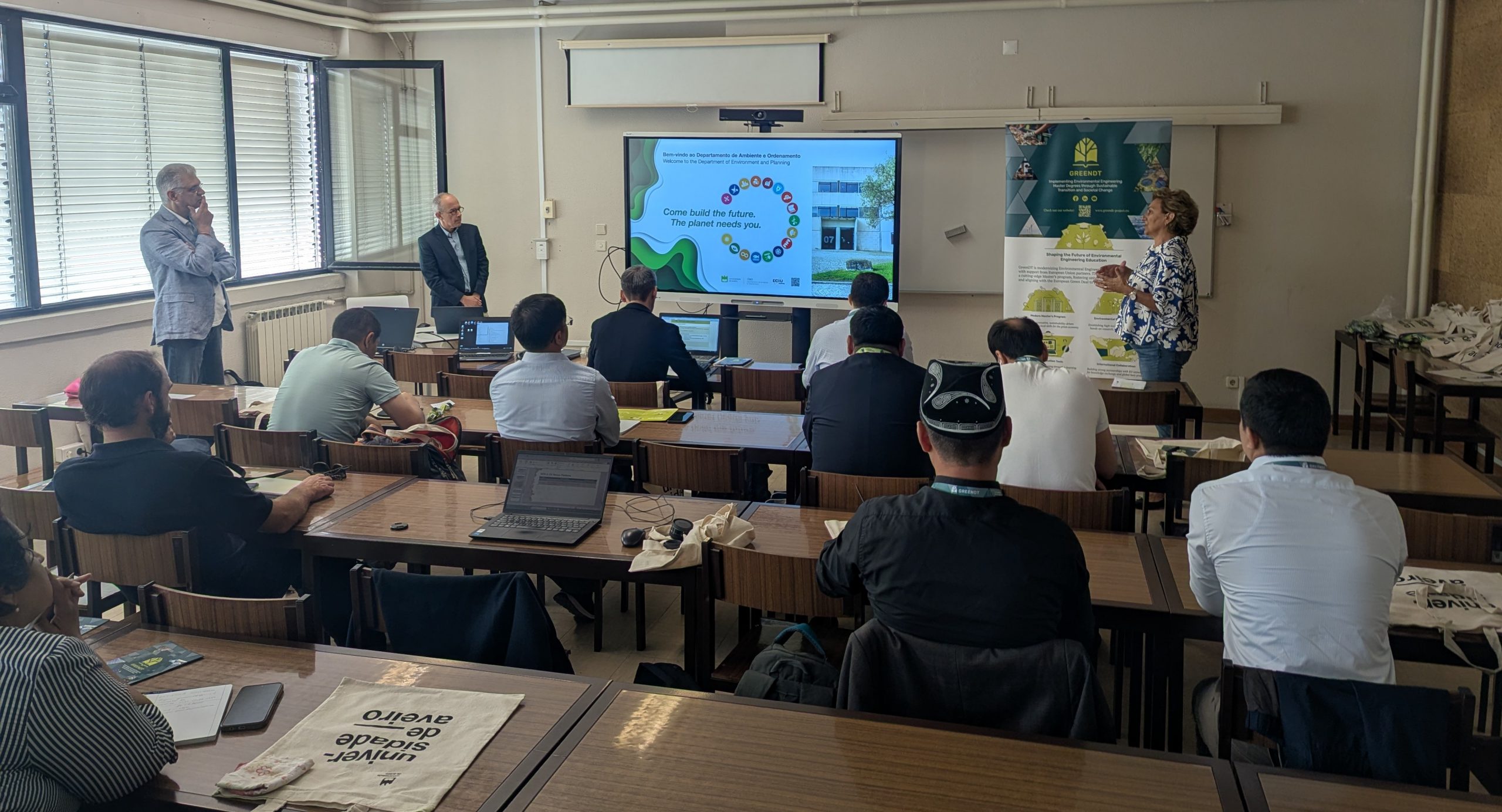
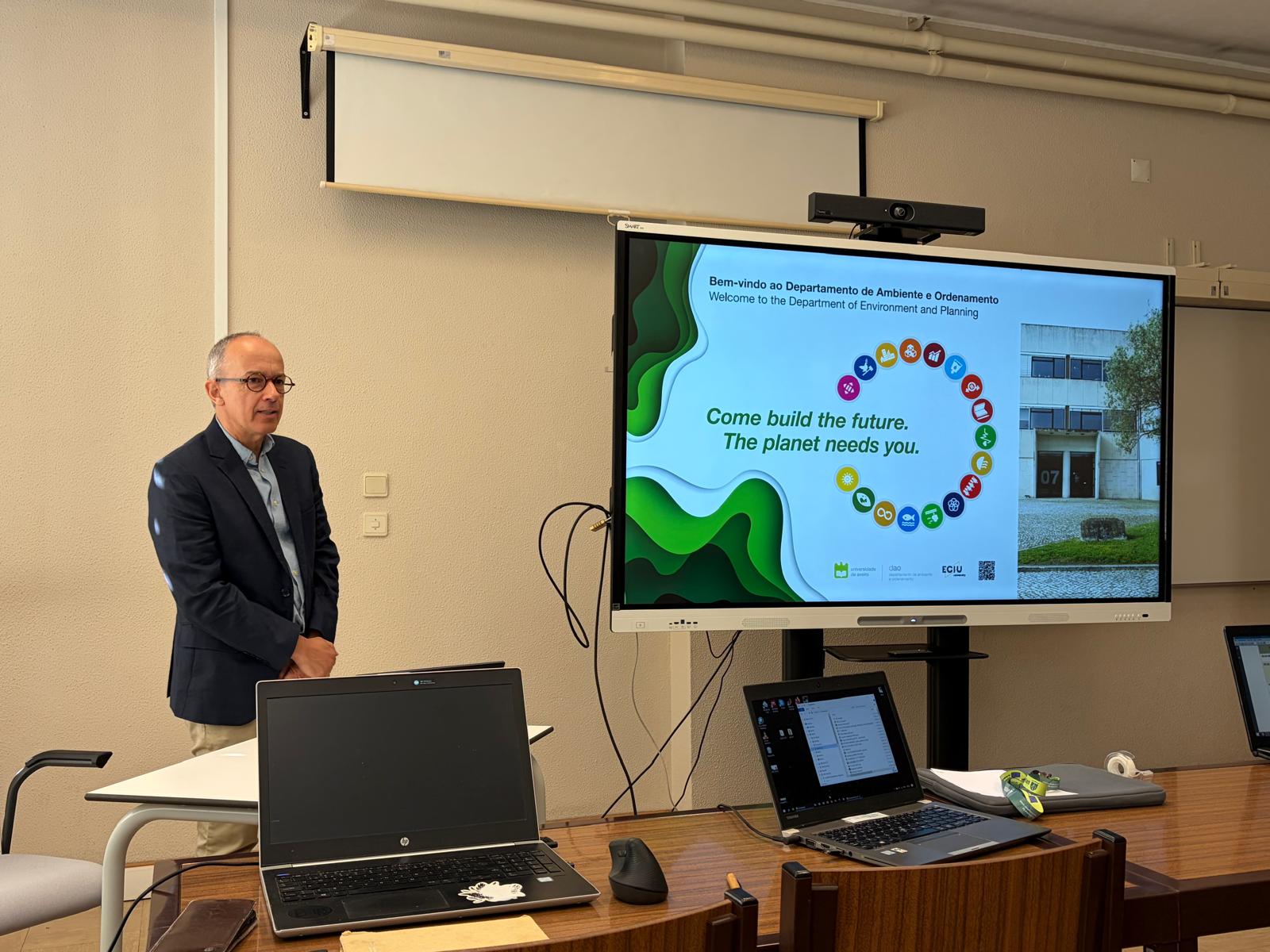
How can European experience and international partnerships help advance the green transition? This was the main focus of the second GREENDT webinar, held on 21 October 2026 under the title “EU International Green Cooperation”.

The webinar brought together experts from Spain, Portugal and Uzbekistan to discuss European energy and environmental policies, funding opportunities for international cooperation and practical experiences in sustainable engineering.

The session was organised within Task 5.2 – Webinars on European Union Policy on Energy, Climate Change and Environment, The Polytechnic University of Viana do Castelo (UNIPVC), from Portugal, was responsible for the content, while Kimyo International University in Tashkent (KIUT), from Uzbekistan, organised the meeting.

From European energy strategies to international funding opportunities

The programme covered several aspects of international green cooperation, starting with the European Union’s approach to sustainable energy. The GREENDT coordinator, Prof. Duarte Alves (UNIPVC), introduced the EU Strategy for Sustainable Energy, outlining its main priorities and objectives.

Funding opportunities for Central Asian higher education institutions were the focus of the next presentation. Prof. João Domingues (FEUGA) introduced the possibilities offered by Horizon Europe and Erasmus+ Capacity Building in Higher Education (CBHE), explaining how universities can navigate these programmes and explore opportunities to take part in European cooperation initiatives.

The discussion then moved towards sustainable engineering and its practical applications. Prof. António Curado (UNIPVC) presented solutions to current engineering challenges, looking at how European experience and lessons learned could be applied in the Uzbek context.

Prof. Joana Almeida (UNIPVC) shared examples of international cooperation through UNIPVC’s sustainability projects, presenting an overview of its global portfolio alongside specific case studies in environment and energy.

To close the programme, Prof. Sarvarbek Yusupov (KIUT) explored Uzbekistan’s international cooperation opportunities and the potential to build new partnerships around the shared goal of a more sustainable future.

Presentations:

Connecting European and Uzbek expertise

The webinar offered an opportunity to look at the green transition from both European and Uzbek perspectives, highlighting areas where institutions can share knowledge, develop joint initiatives and make the most of international cooperation and funding opportunities.

These exchanges are at the heart of GREENDT, which works to strengthen links between European and Central Asian higher education institutions and support the development of environmental engineering education in Uzbekistan.
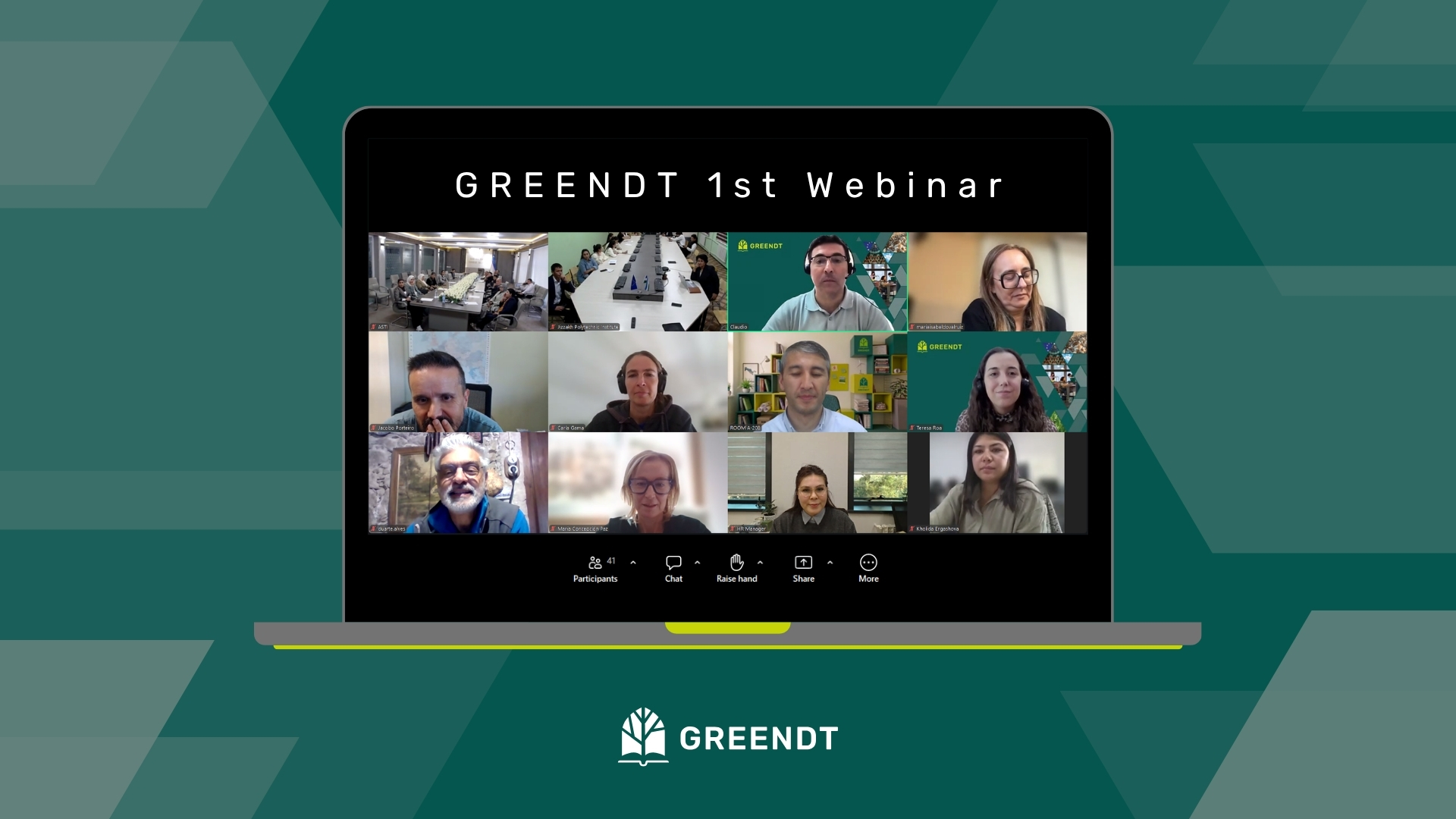

GREENDT launches its webinar series by bringing together European and Uzbek expertise in sustainable engineering

On 13 October, GREENDT held its first webinar, “Green Horizons: Embracing Sustainability and Equality in Engineering Education”, bringing together academic perspectives from Europe and Uzbekistan to explore how sustainability and equality can be integrated into engineering education and adapted to different regional contexts.

The session was organised as part of Task 5.2 – Webinars on European Union Policy on Energy, Climate Change and Environment. The University of Vigo (UVigo), Spain, was responsible for the content, with Kimyo International University in Tashkent (KIUT), Uzbekistan, coordinating its organisation.

Sustainability and the European Green Deal in engineering education

The programme covered several aspects of the green transition, combining a local perspective on Uzbekistan’s challenges with European experiences and approaches to sustainable engineering.

Prof. Sarvarbek Yusupov (KIUT) opened the programme by explaining the series of webinars and also addressing Uzbekistan’s challenges and the green transition in higher education institutions. The following sessions, led by professors from UVigo, explored different dimensions of sustainable engineering and its application.

Prof. Claudio Cameselle discussed solutions to current engineering challenges, their application in Uzbekistan and lessons learned from Europe. Prof. Jacobo Porteiro then introduced the European Green Deal, focusing on the vision of a climate-neutral Europe, its key strategies and their potential adaptation to Uzbekistan’s policy context.

The programme also examined the importance of interdisciplinary collaboration. Prof. María Isabel Doval explored how systems thinking and cross-disciplinary knowledge can contribute to sustainable engineering, while Prof. Teresa Roa presented regional success stories and approaches to adapting successful practices to different contexts.

Finally, Prof. Concepción Paz Penín addressed inclusivity and gender equity in engineering education, focusing on relevant frameworks and institutional best practices.

Check out the presentations below to learn more about the topics covered in each intervention:

The webinar series continues on 21 October

The next GREENDT webinar will take place on 21 October 2026, under the title “EU International Green Cooperation”. The session will be led by the Polytechnic University of Viana do Castelo (UNIPVC), Portugal, with Kimyo International University in Tashkent (KIUT), Uzbekistan, coordinating its organisation.

The webinar will explore the European Union’s approach to international green cooperation, covering climate action, environmental sustainability and international partnerships. It will also look at opportunities to strengthen cooperation between European and Uzbek institutions, bringing together representatives of the GREENDT consortium, partner universities, experts and other relevant stakeholders.

Date: 21 October 2026
Time: 13:30-16:30 (Uzbekistan) / 10:30–13:30 (Spain) / 09:30–12:30 (Portugal)

Interested in joining? Register for the webinar here.

Through this series, GREENDT aims to encourage knowledge exchange between European and Central Asian higher education institutions and support the integration of sustainability into engineering education.


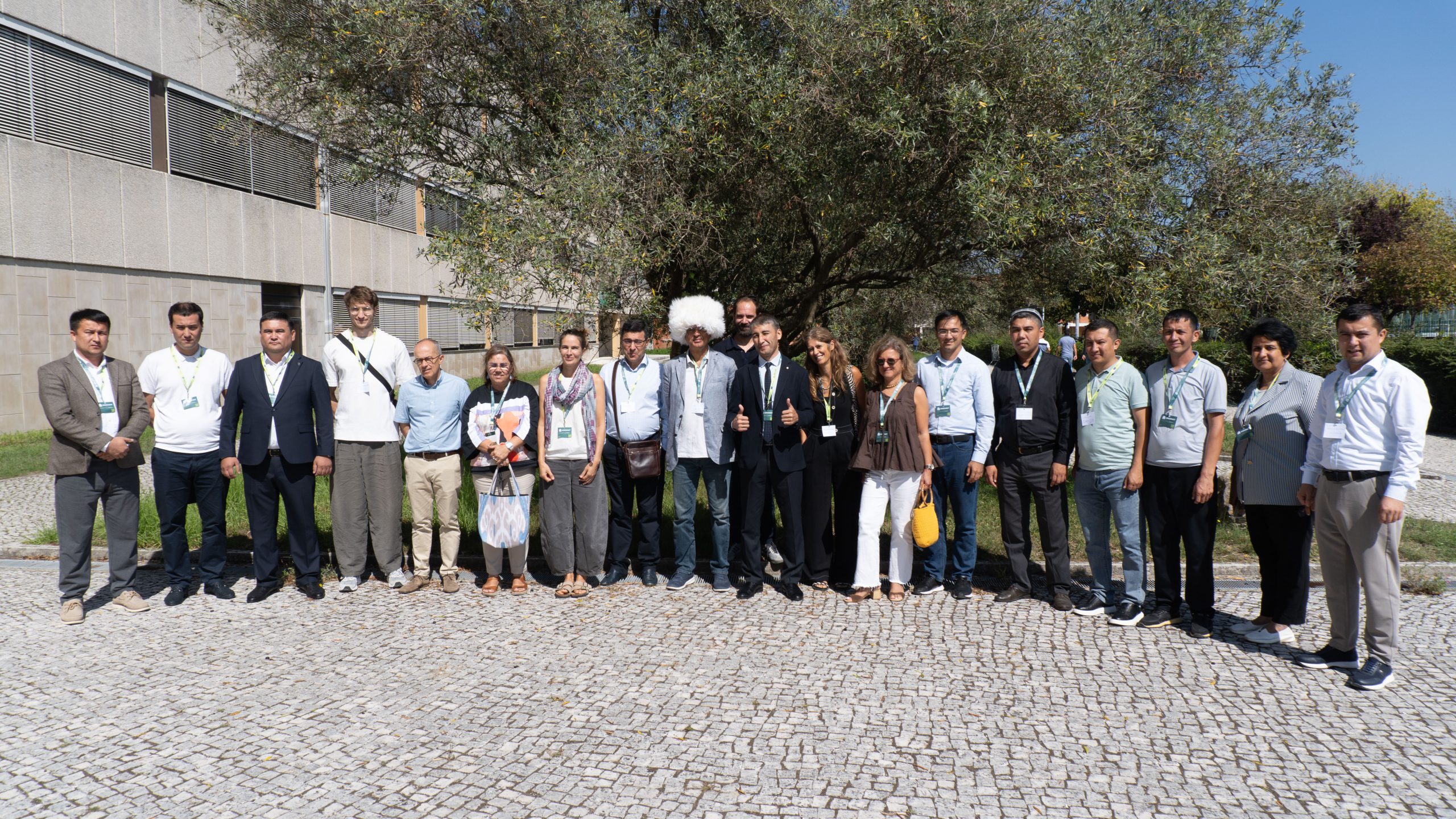
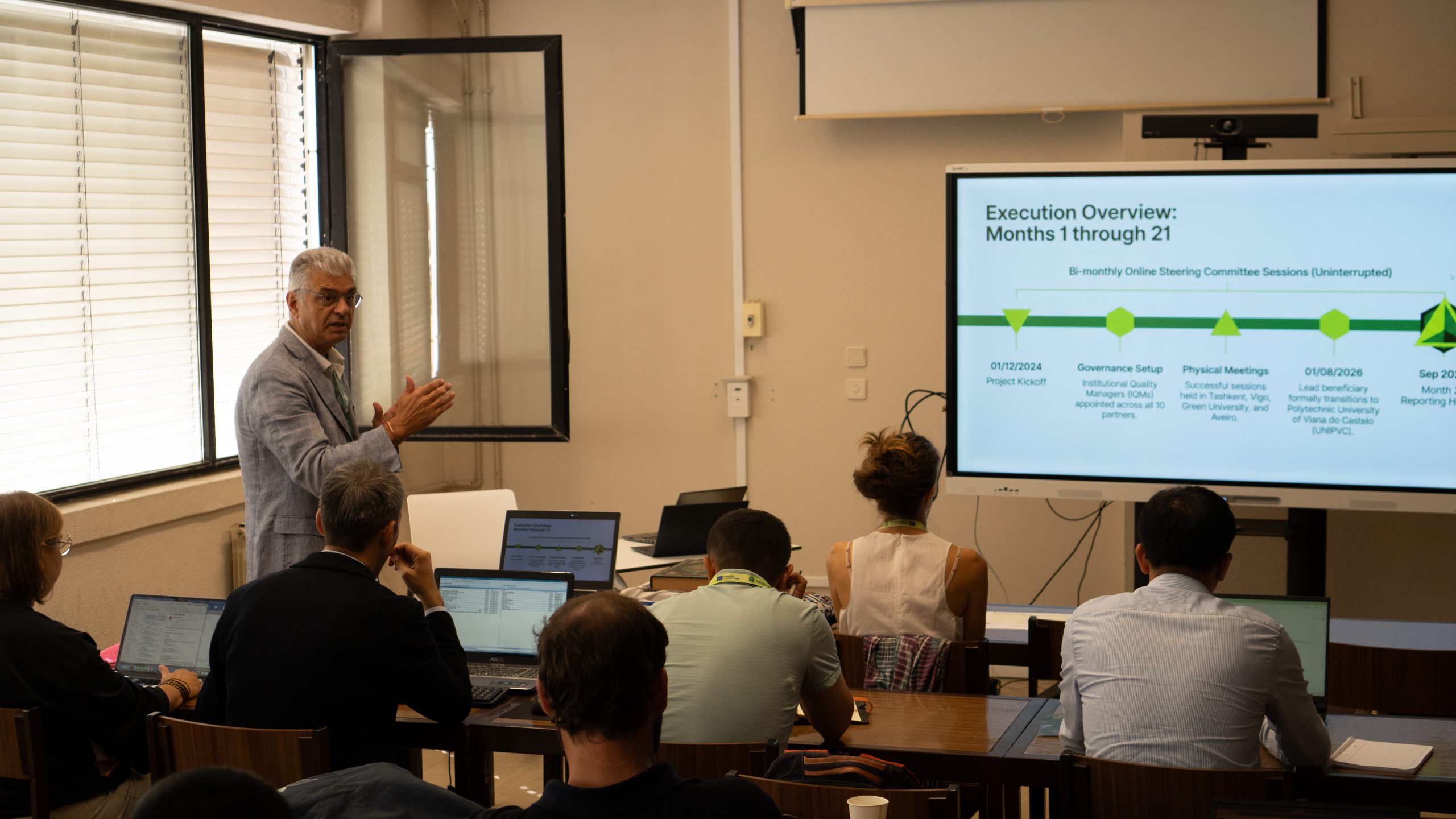
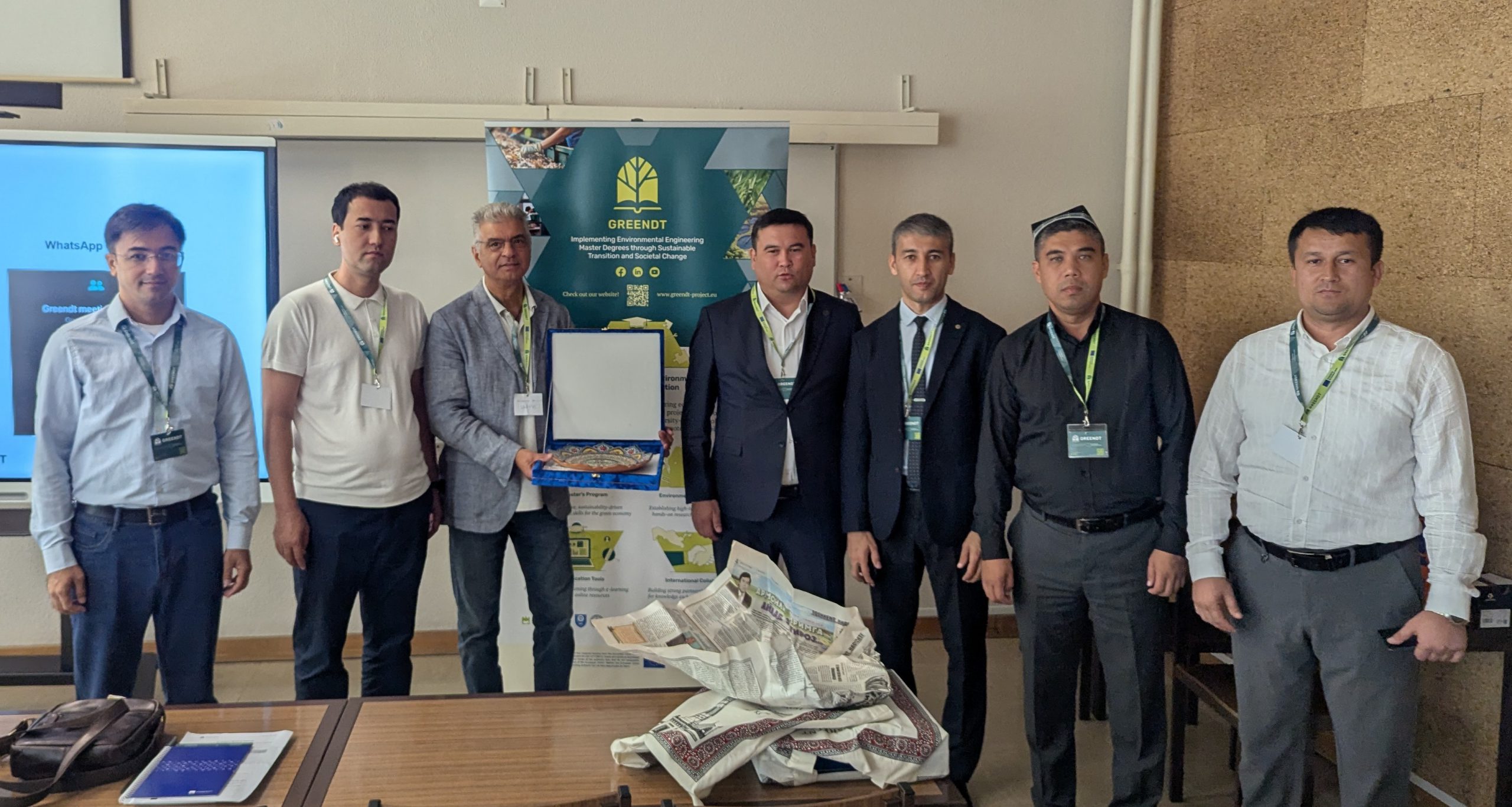
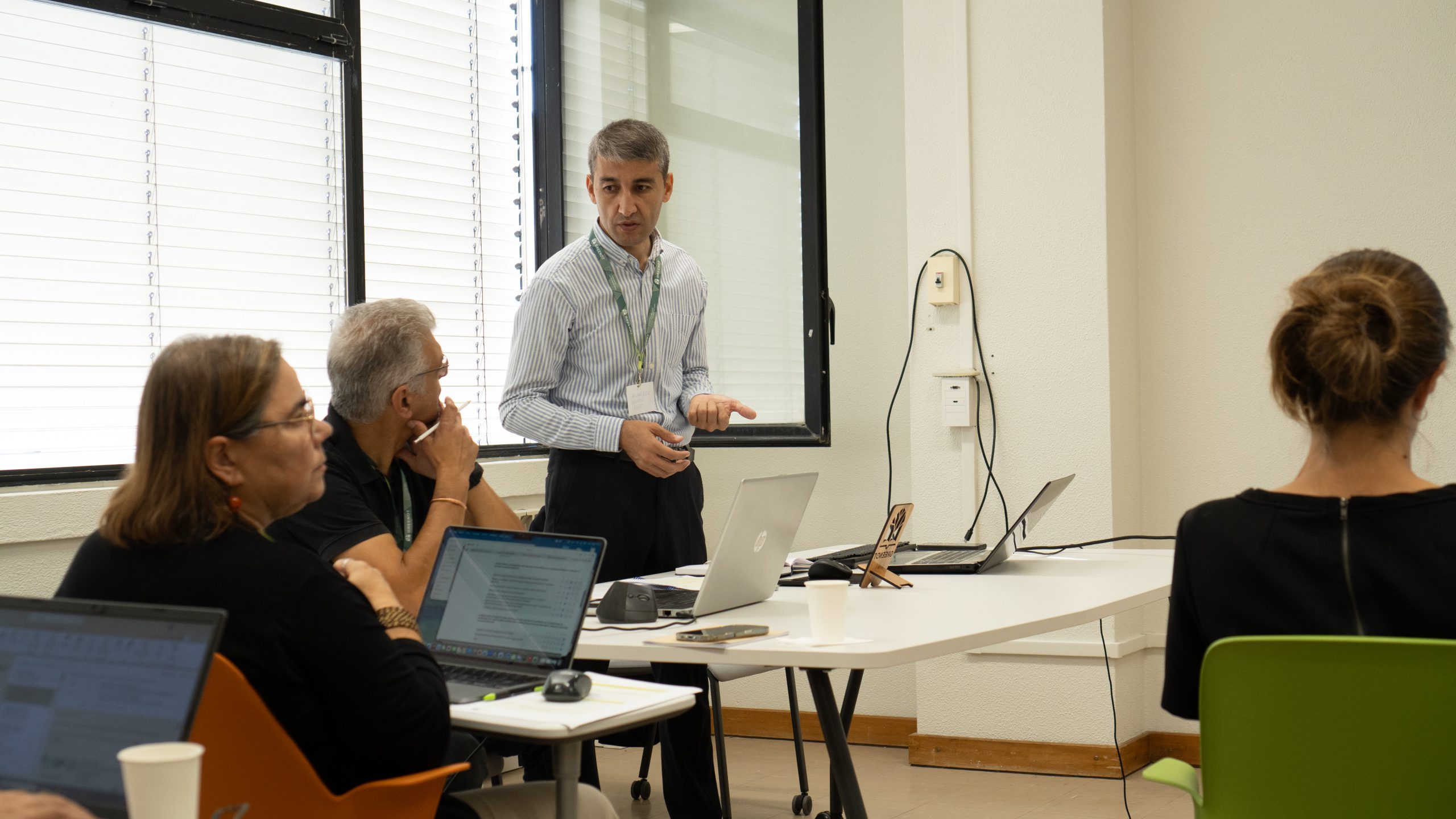
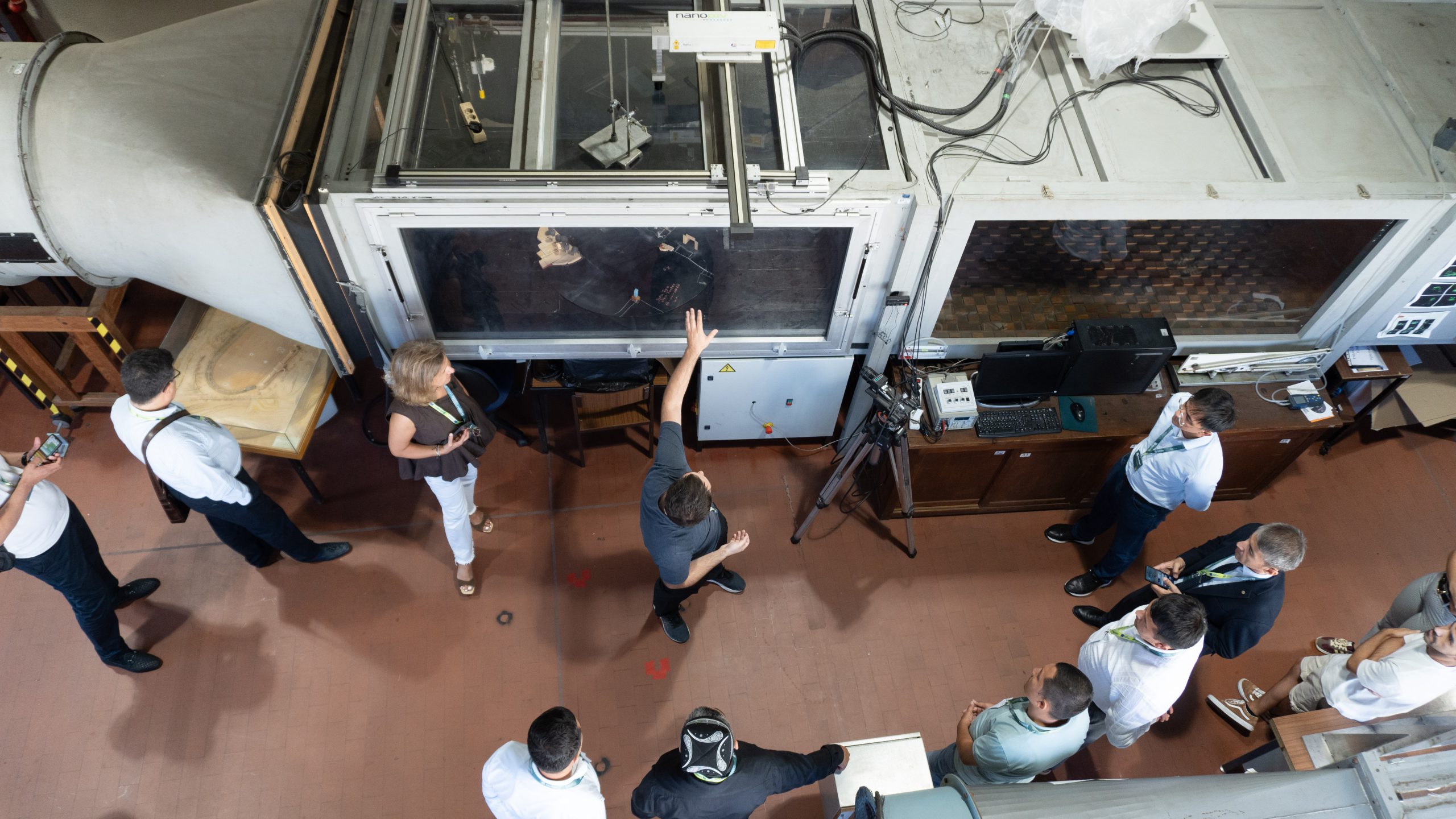
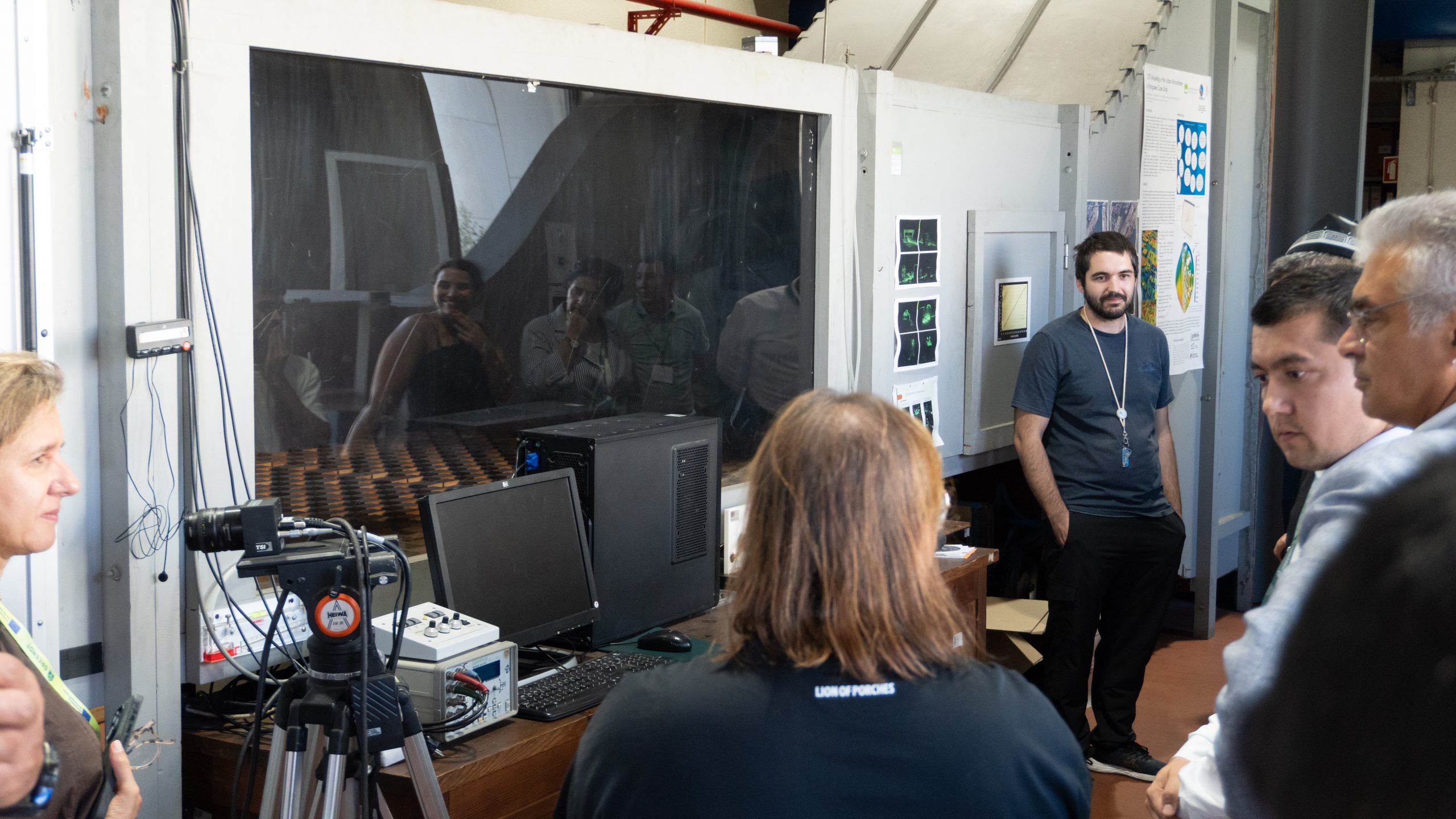
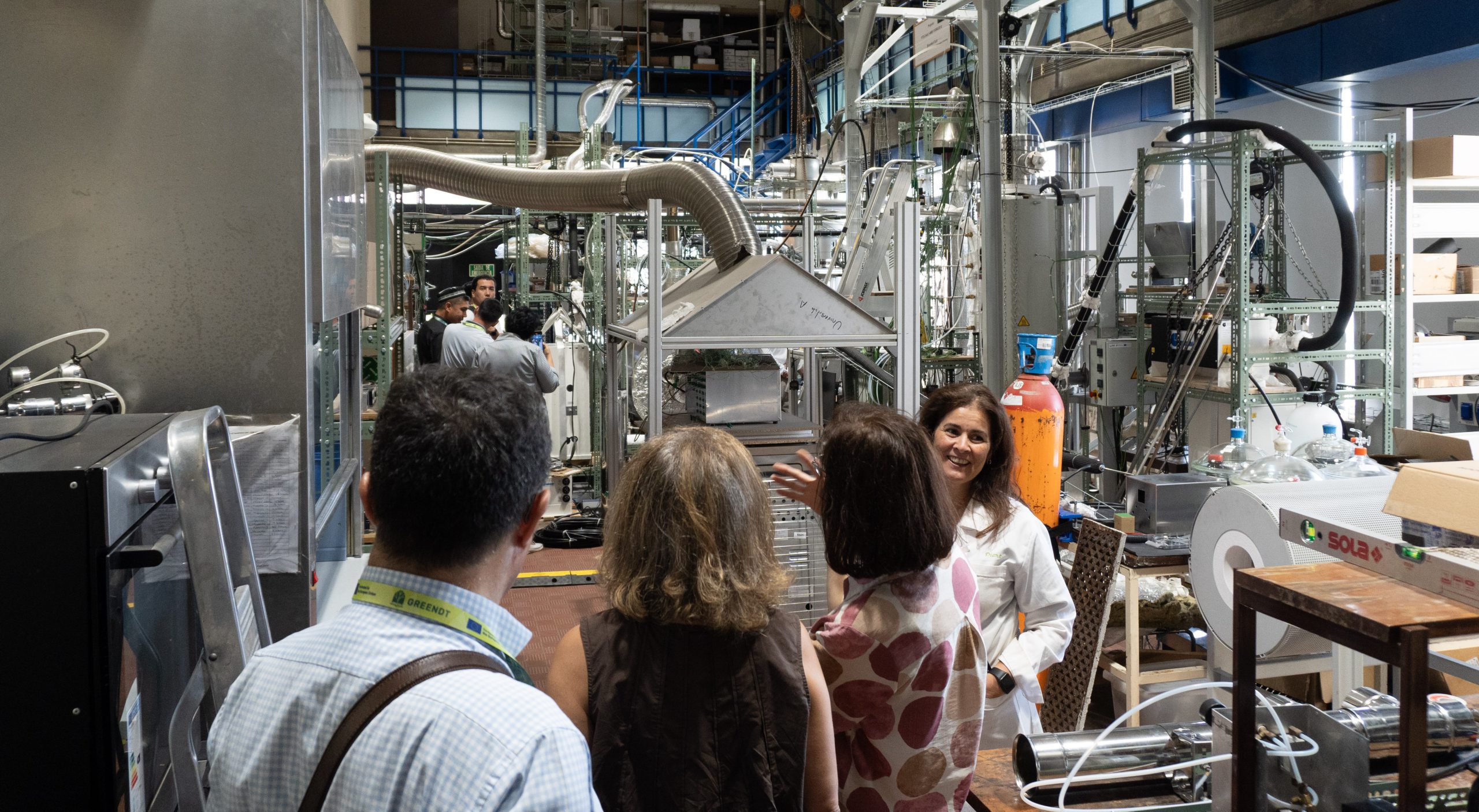
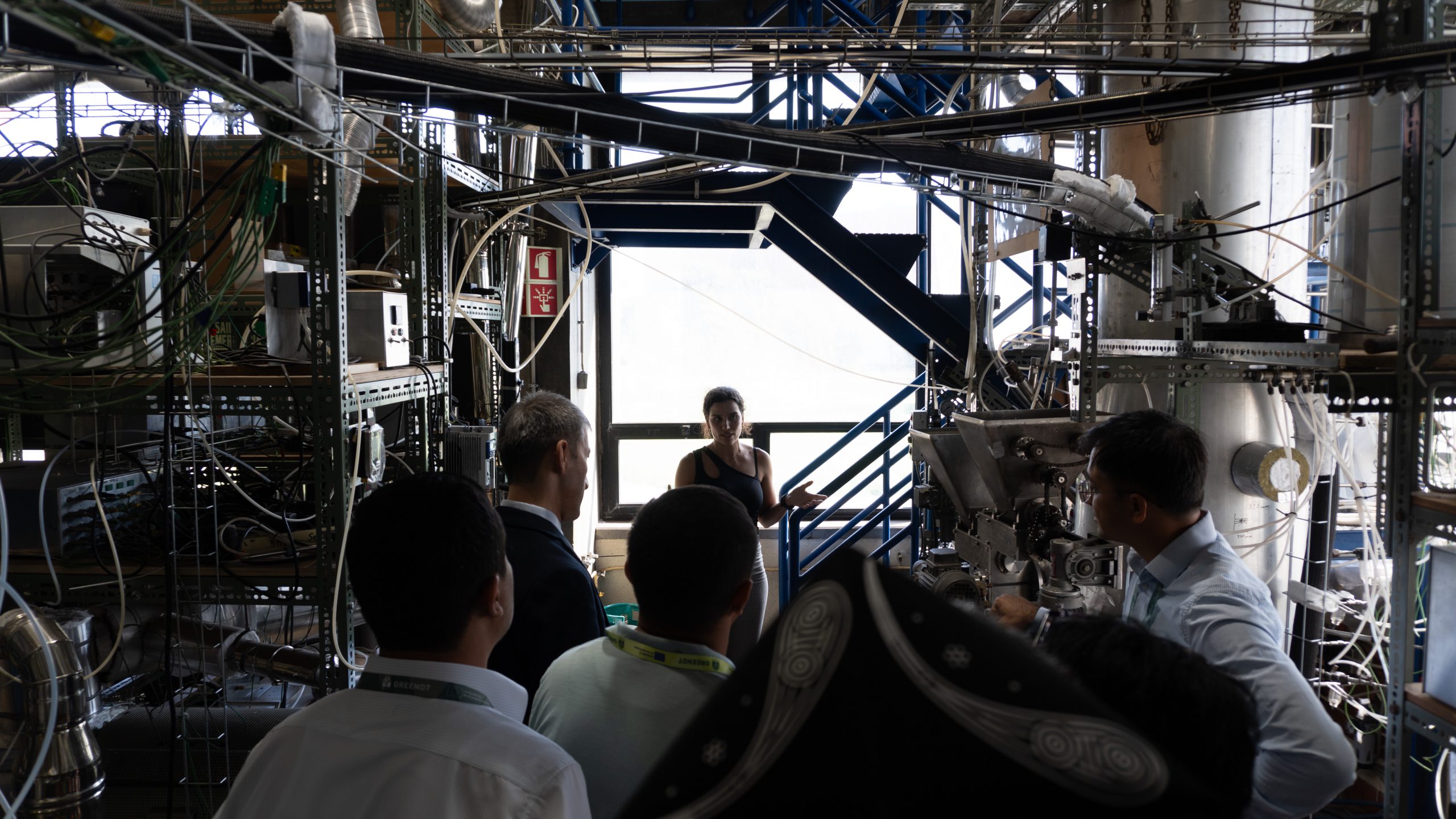
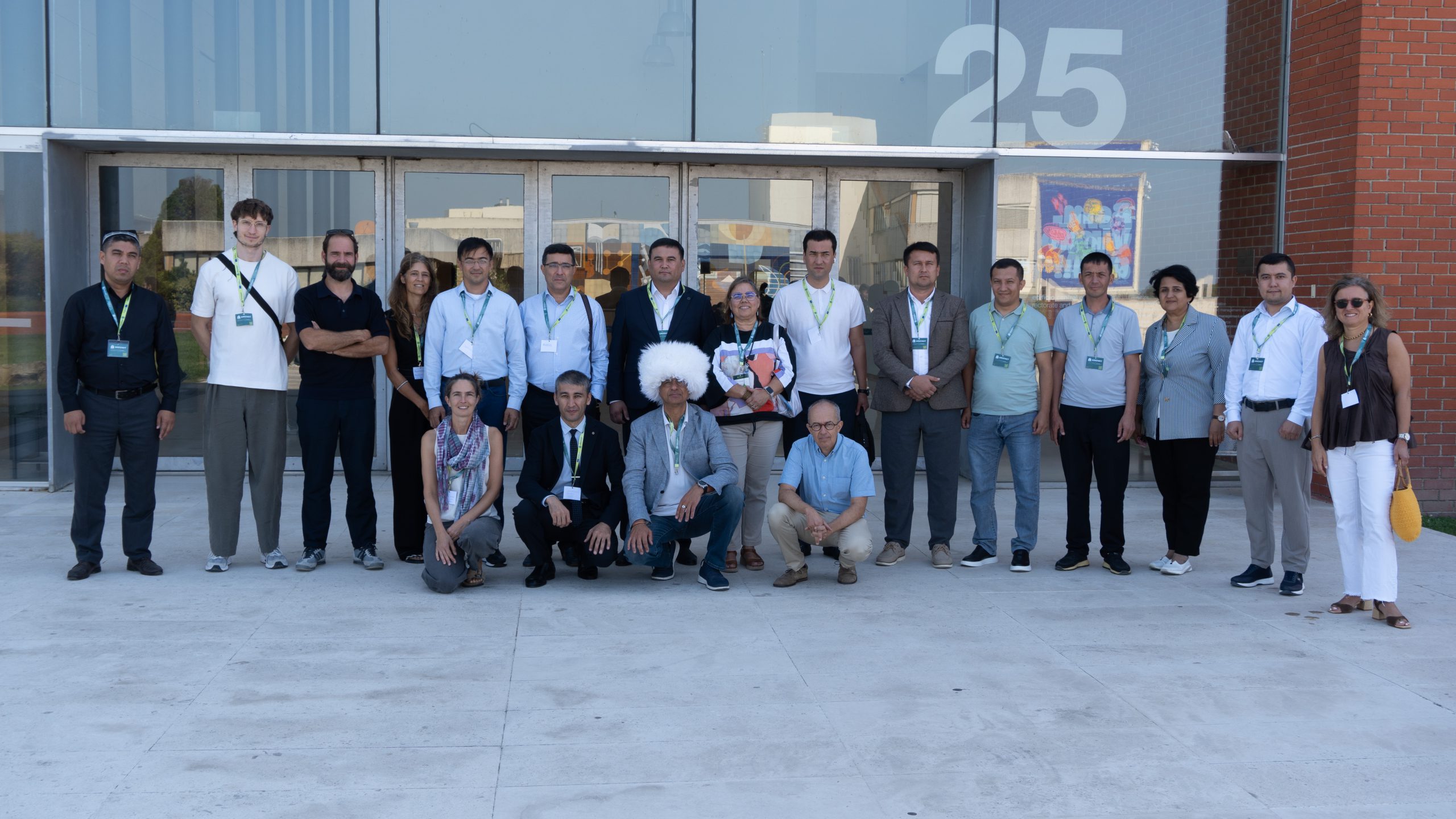
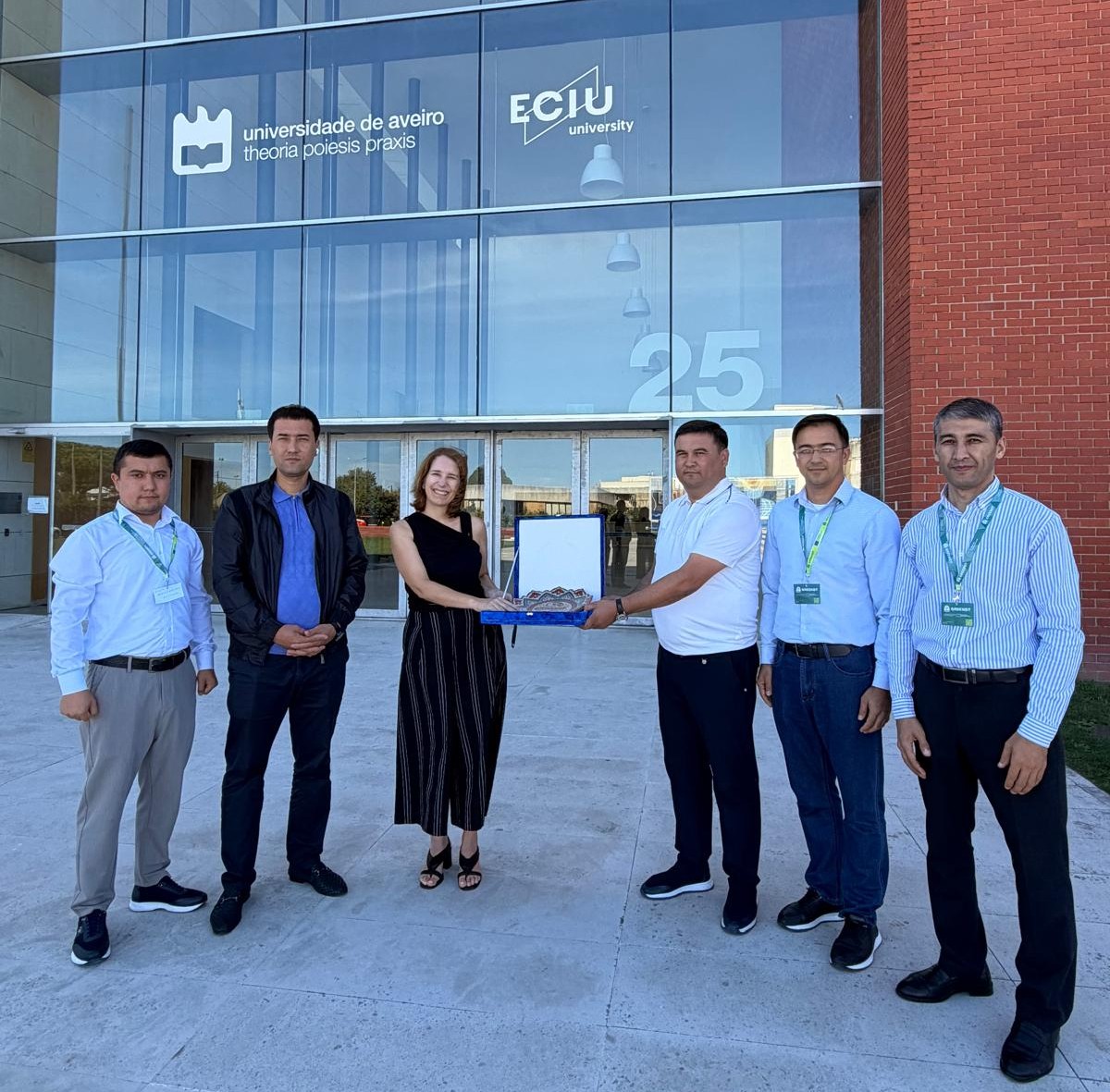
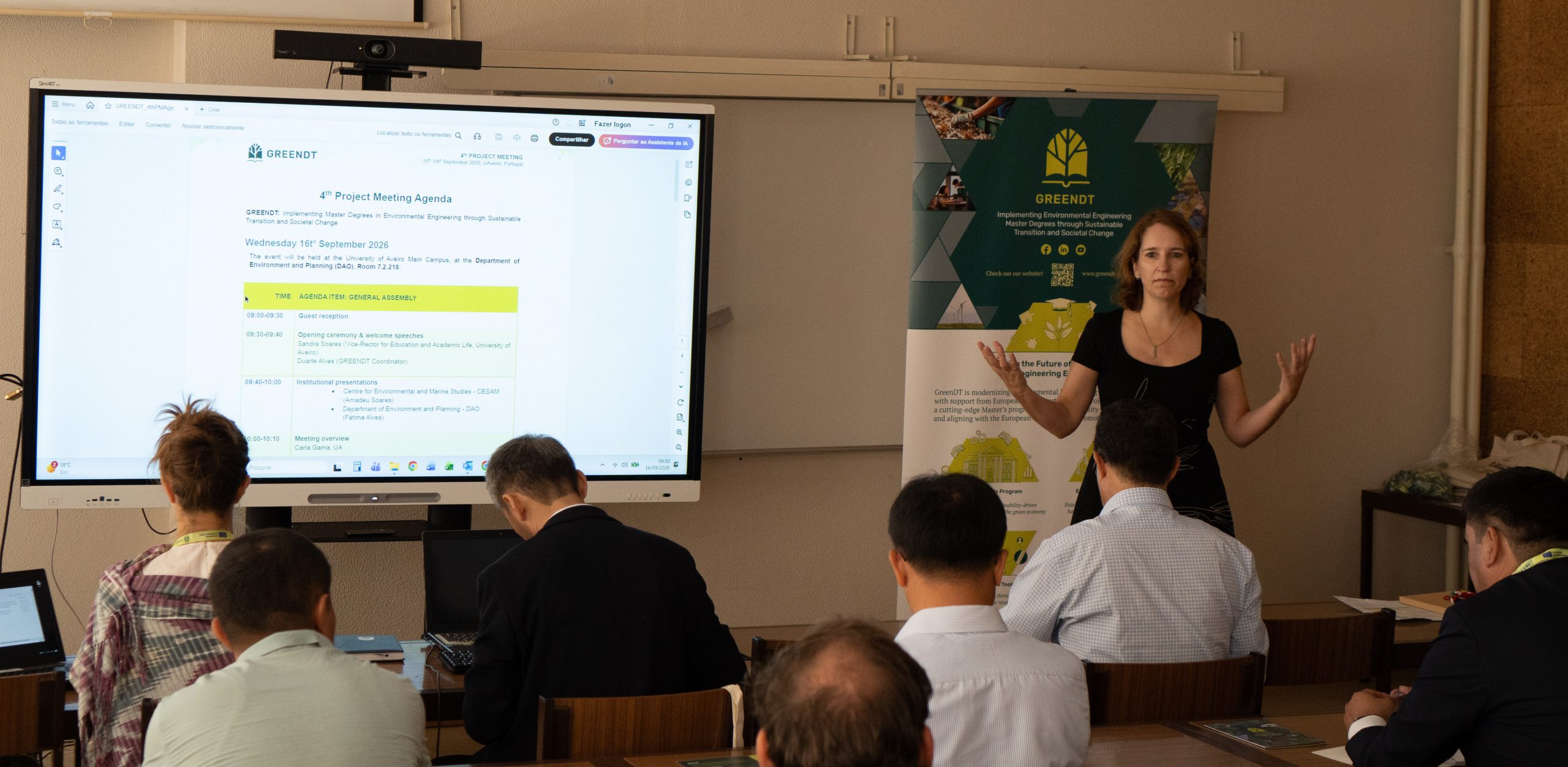
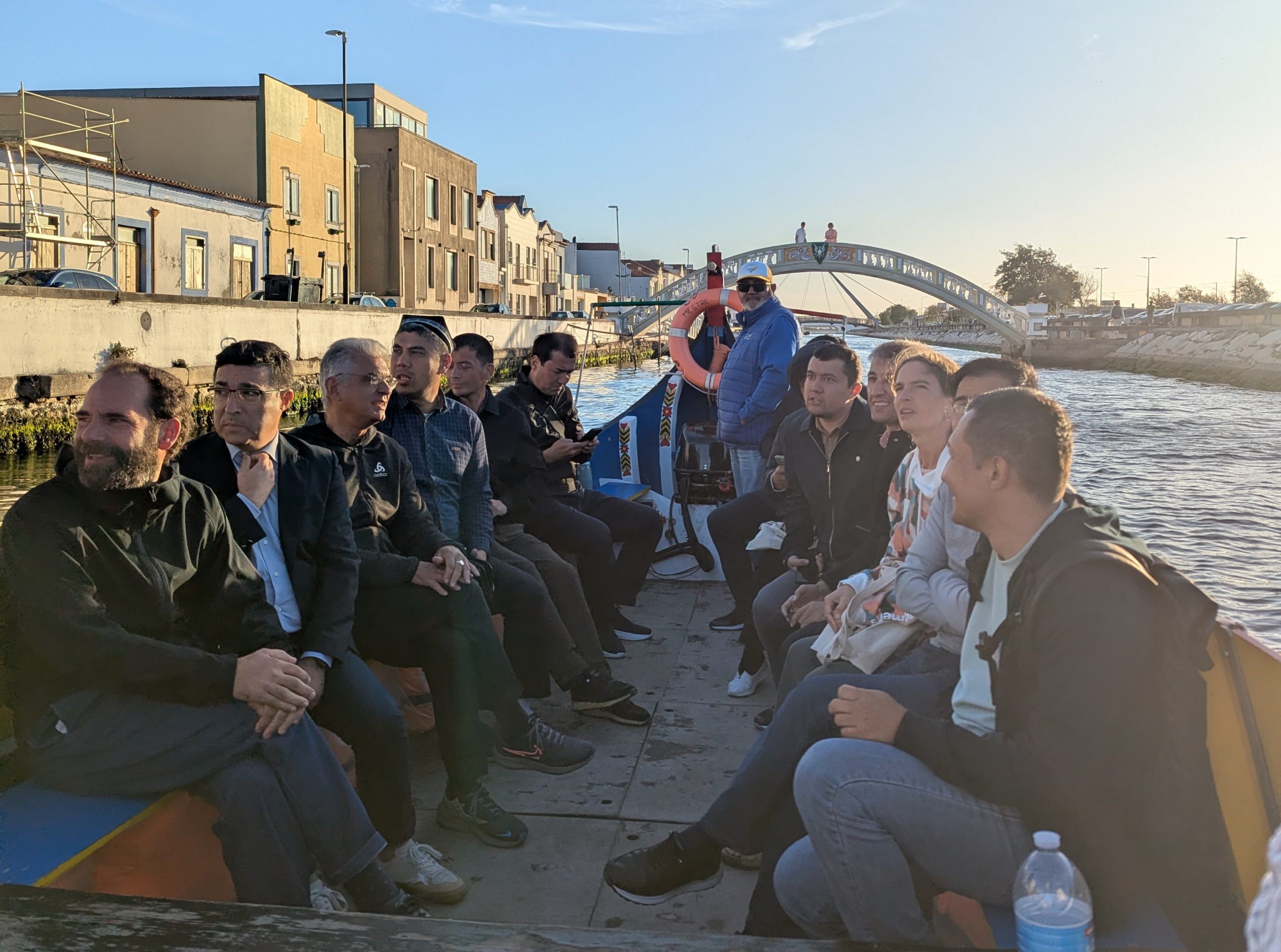
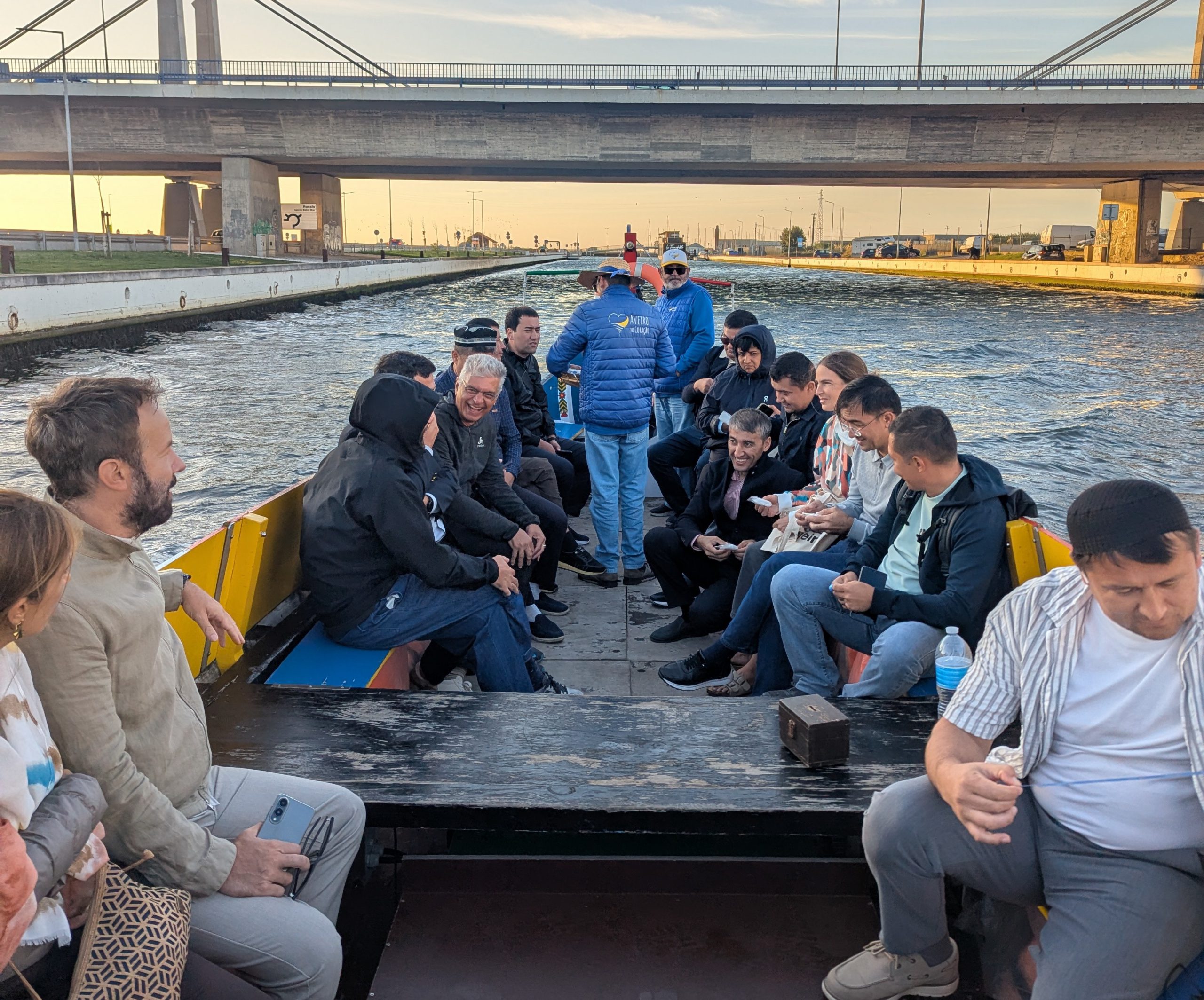
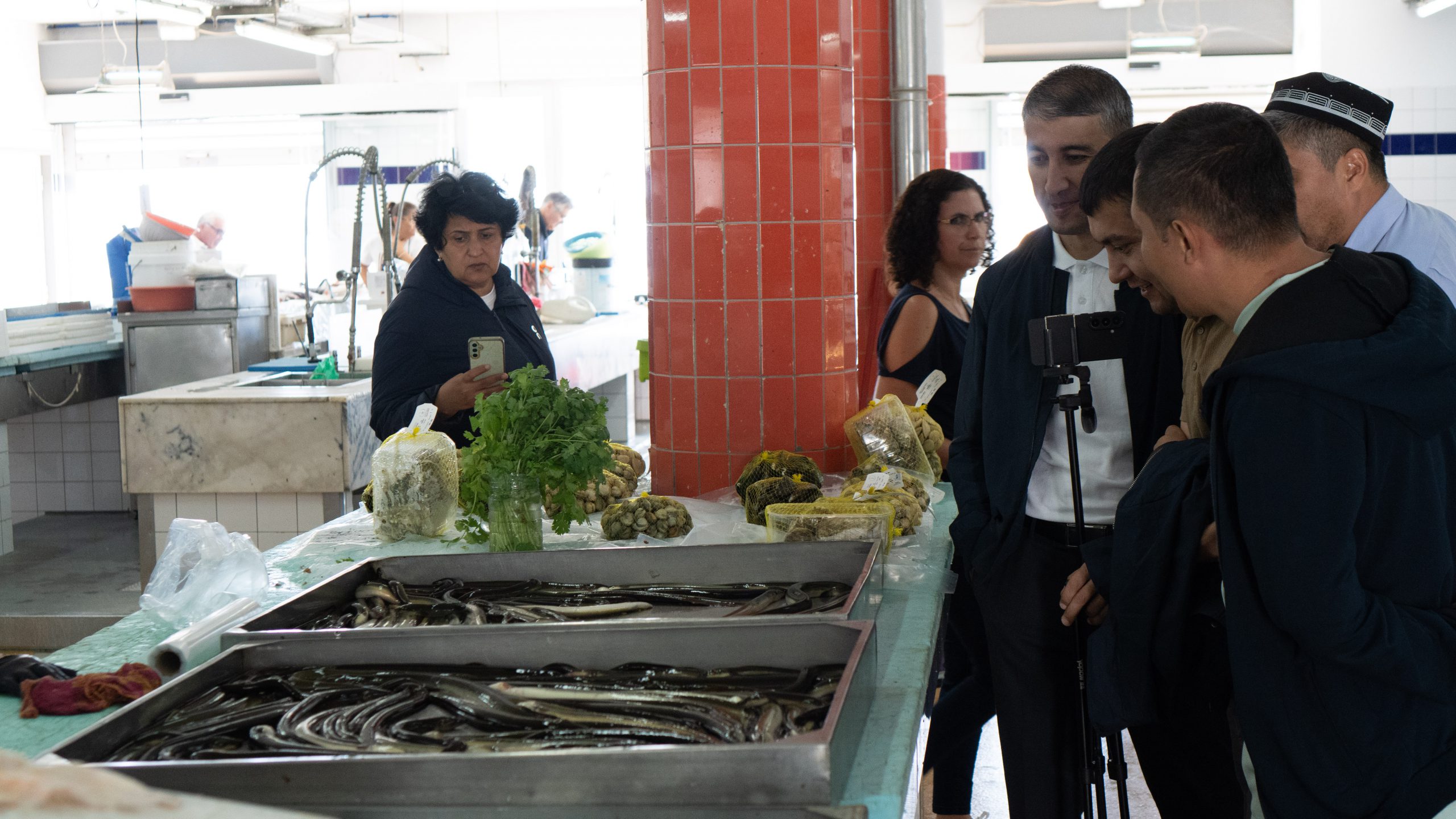
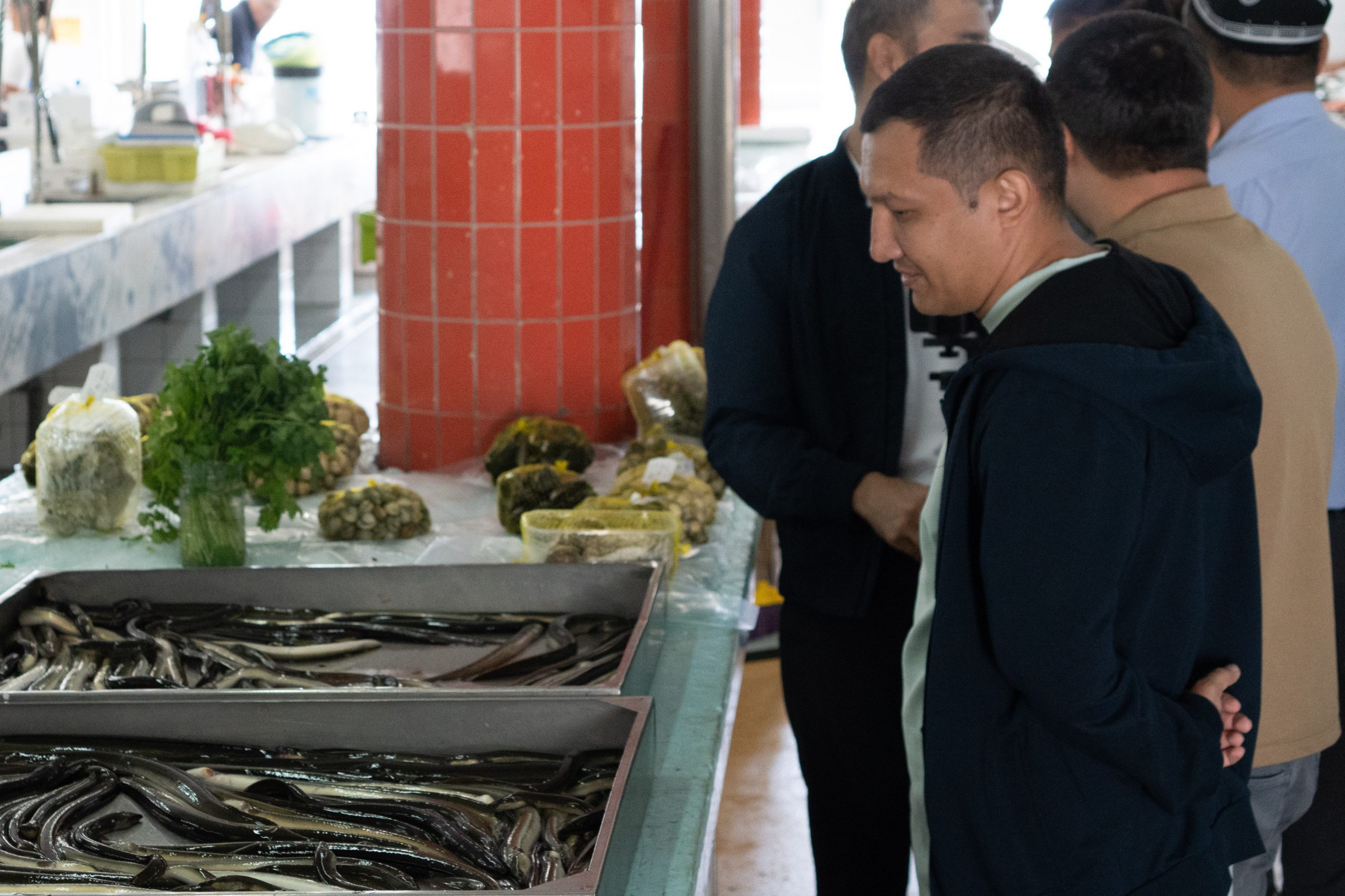
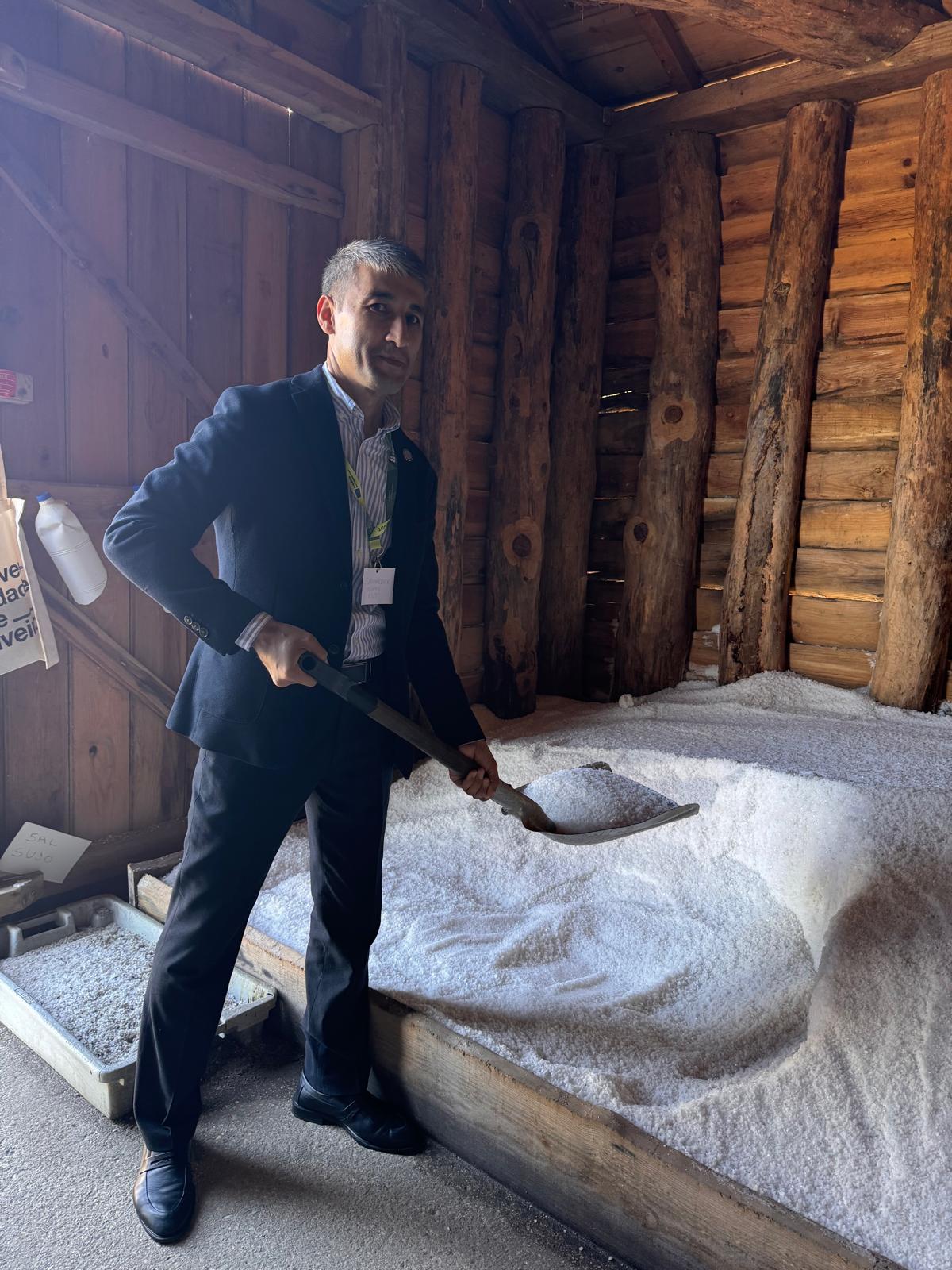
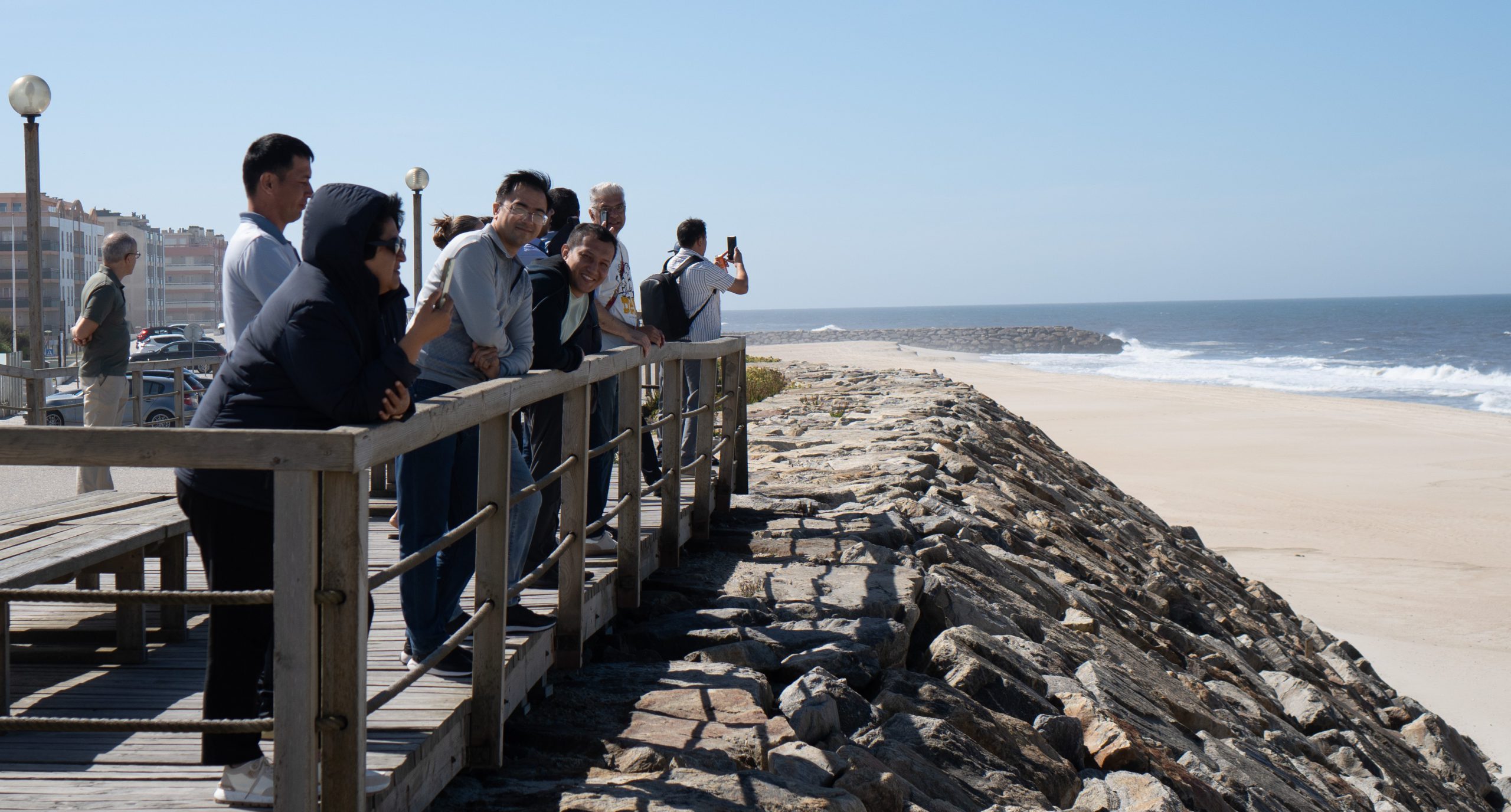
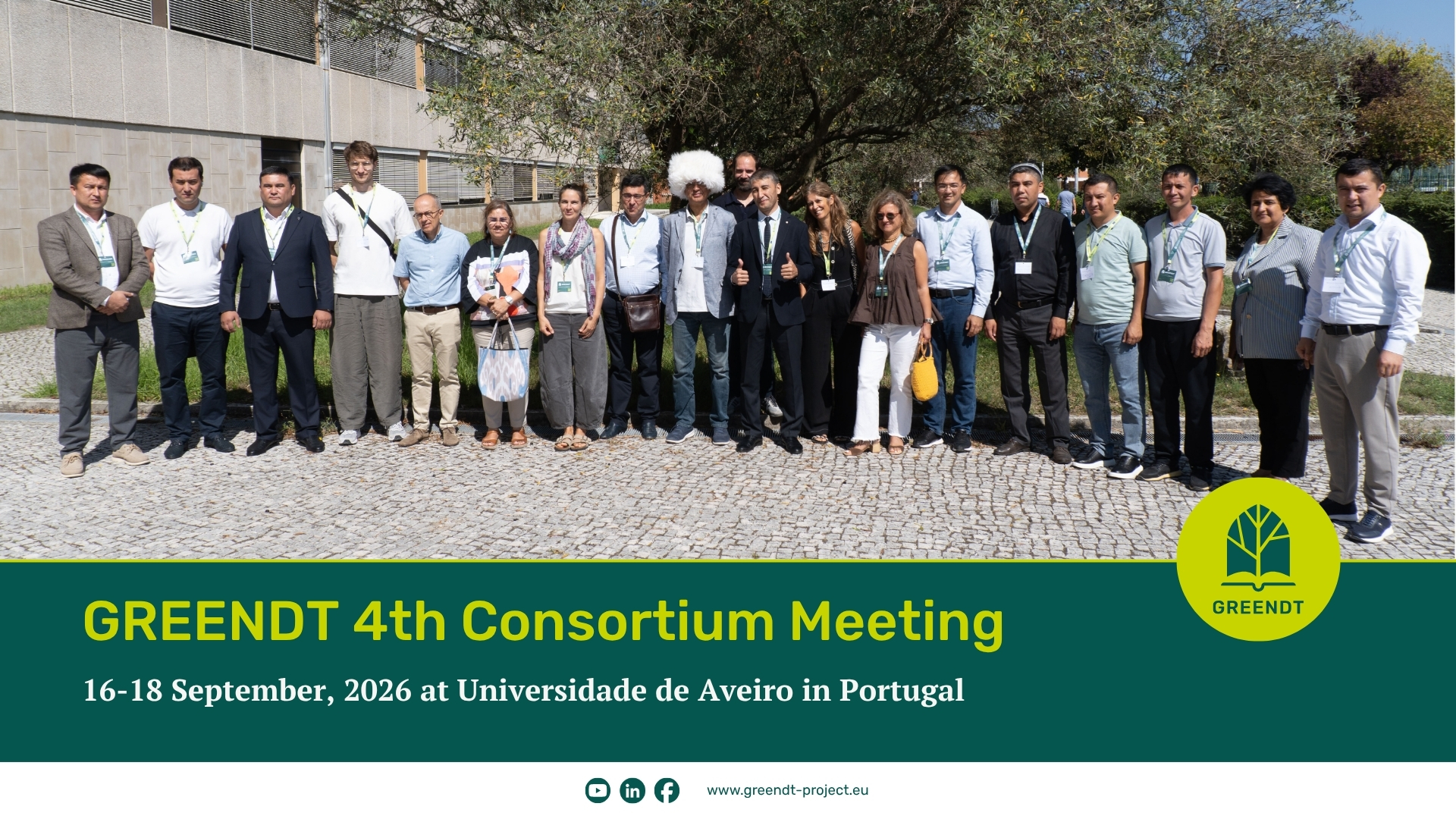
GREENDT partners meet in Aveiro to strengthen collaboration and prepare the project’s final phase

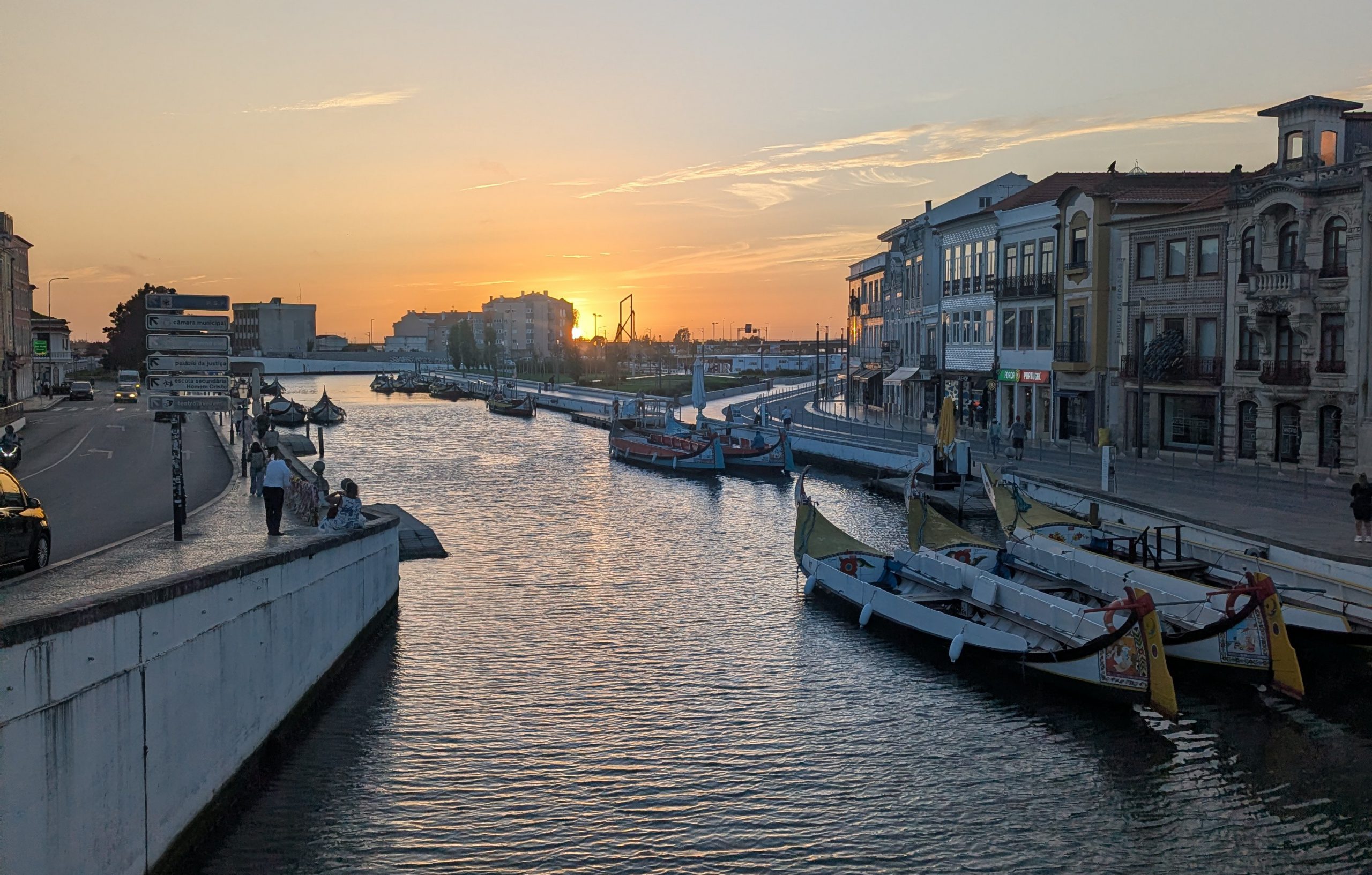
From 16 to 18 September, GREENDT partners gathered at the University of Aveiro, Portugal, for the project’s 4th Consortium Meeting. The three-day meeting provided an important opportunity to review the progress achieved so far, discuss the next steps across the different Work Packages and, above all, strengthen the collaboration between partners as GREENDT enters its final stage.

The meeting combined technical and strategic discussions with visits, cultural activities and informal moments, creating an environment that encouraged both effective project coordination and stronger relationships among the consortium members.

From planning to implementation

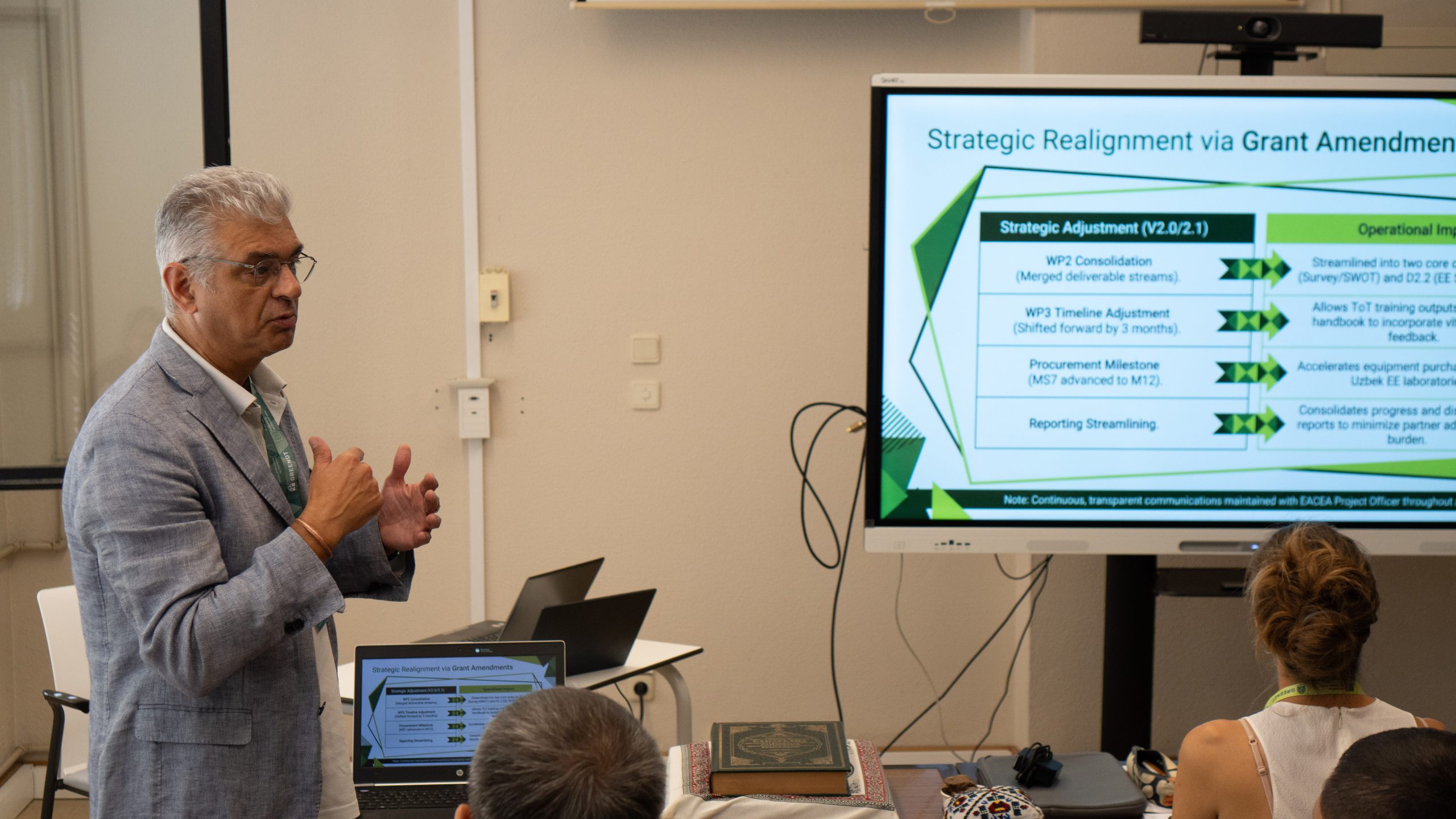
The first day focused on the overall project status, milestones, deliverables, quality assurance and financial implementation. Partners also reviewed the latest External Evaluation Interim Report, presented by Anastasios Ntabizas, Senior EU Project Manager and Quality Assurance Expert.

The evaluation provided very positive feedback on the progress of GREENDT, with Anastasios delivering a clear message to the consortium: “Good job!”.

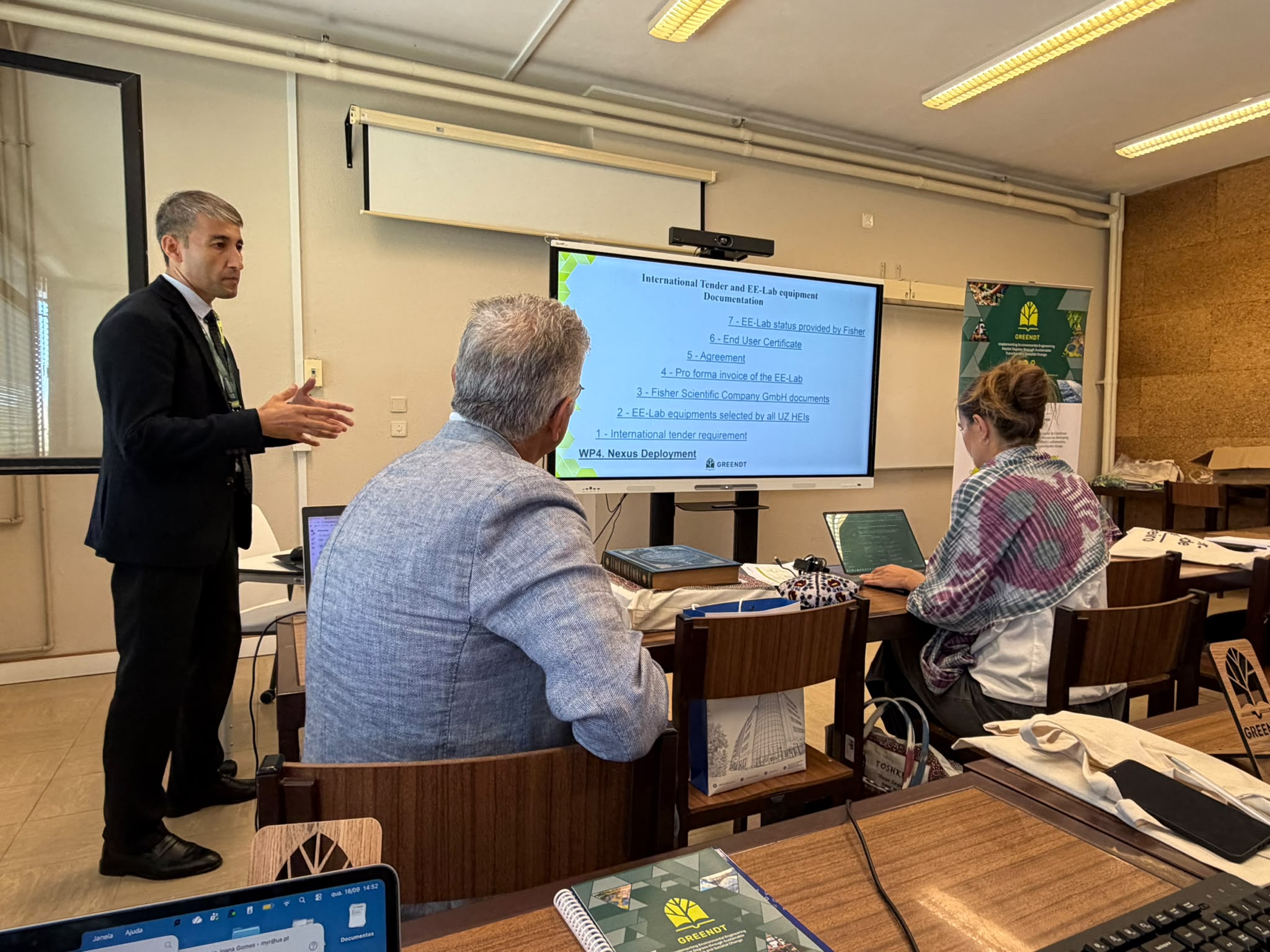
The meeting then moved into the implementation of some of the project’s key results. In particular, partners presented important progress on the Environmental Engineering Laboratories (EE-Labs). The procurement process is now moving forward, with the orders for the EE Laboratory Equipment already placed, marking an important step towards the deployment of the laboratories.

Partners also discussed the implementation of the EE Nexus Platform, as well as the development of the project’s digital learning environment. A first version of the EE e-learning platform was presented to the consortium, providing a concrete view of how the digital resources developed through GREENDT will support teaching and learning.

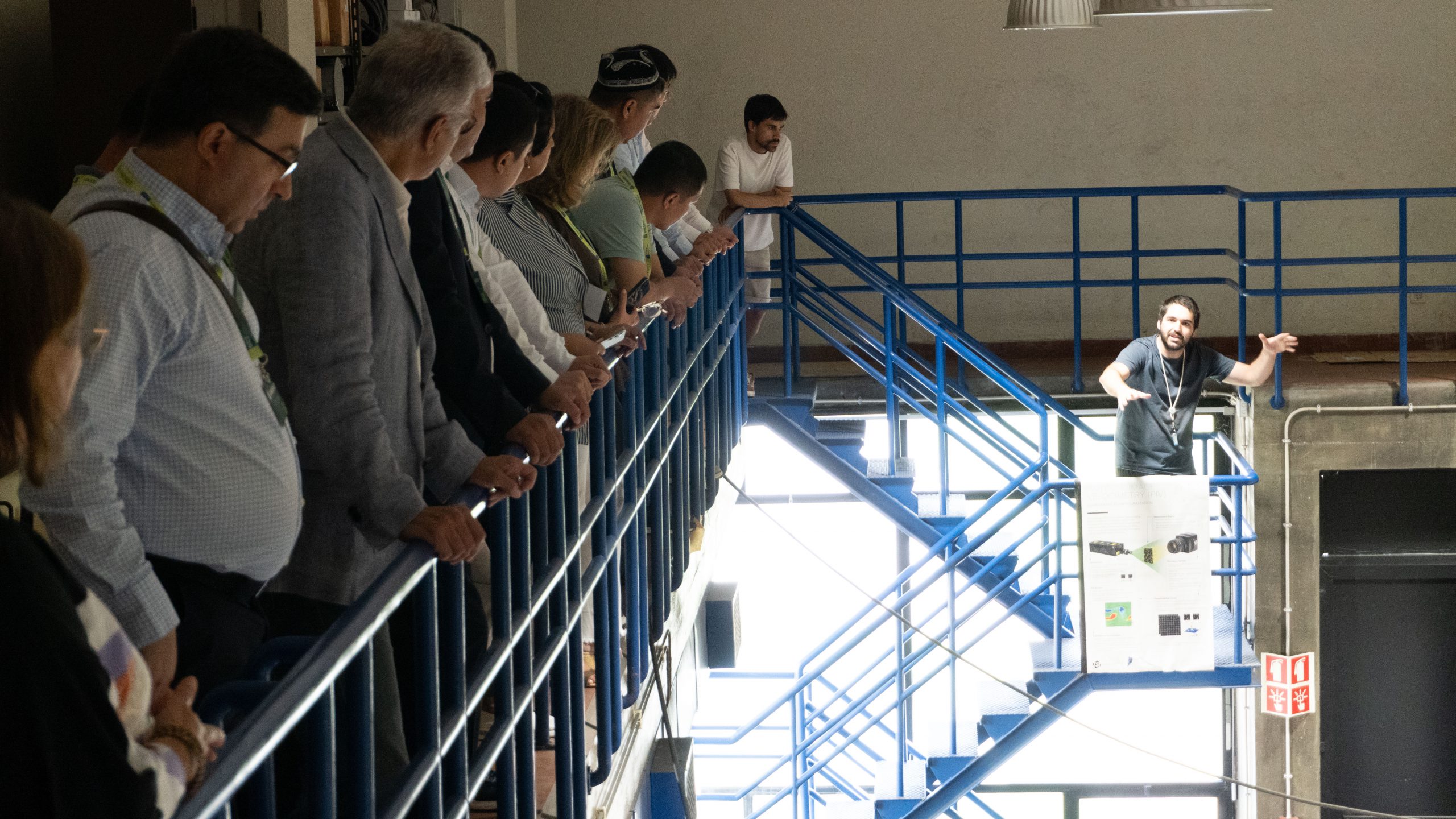
The meeting also included a visit to the Environmental Engineering teaching and research laboratories at the University of Aveiro, offering partners the opportunity to exchange practical experiences and ideas around laboratory-based education.

A major milestone discussed during the meeting was the development of the MSc programme in Environmental Engineering. The didactic contents and training programme have now been developed, representing a significant step towards the implementation of the new Master’s studies. The next key stage will be the accreditation process, with the objective of making the programme available to interested students from the 2027/2028 academic year, starting in September 2027.

This marks an important transition for GREENDT: the project is moving from designing and developing new educational resources towards preparing them for real implementation and use by students and academic institutions.

Putting knowledge into long-term impact

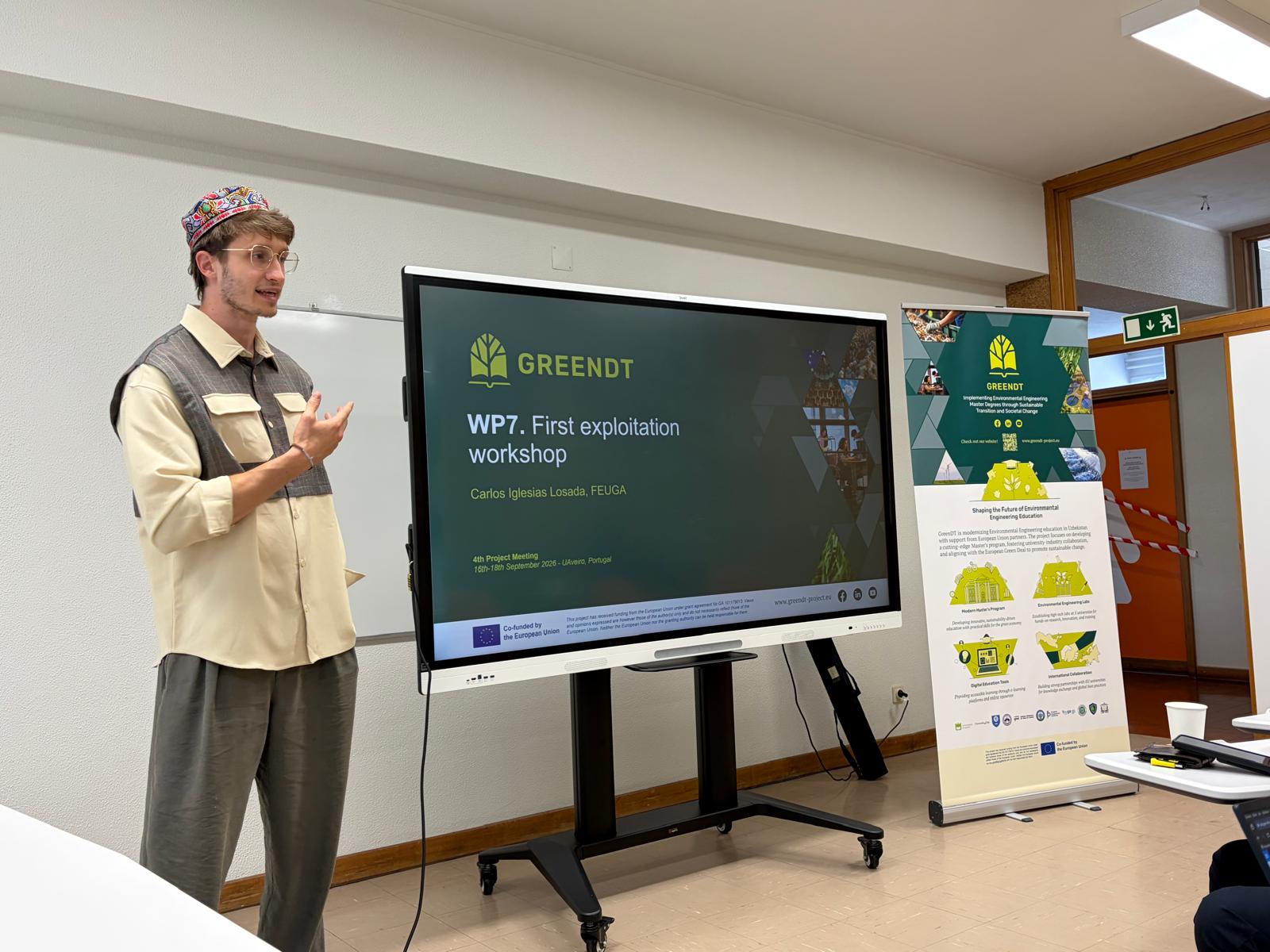
Exploitation and sustainability were also at the centre of the meeting. FEUGA led the first GREENDT Exploitation Workshop, dedicated to analysing how the project’s Key Exploitable Results (KERs) can be further valued, developed and connected with future opportunities beyond the project lifetime.

The workshop provided a space for partners to reflect on the potential of GREENDT’s results and on the actions needed to increase their future uptake and impact. This work will be particularly important as the consortium moves towards the final stage of the project and prepares the ground for the sustainability of its results beyond 2027.

Collaboration beyond the meeting room

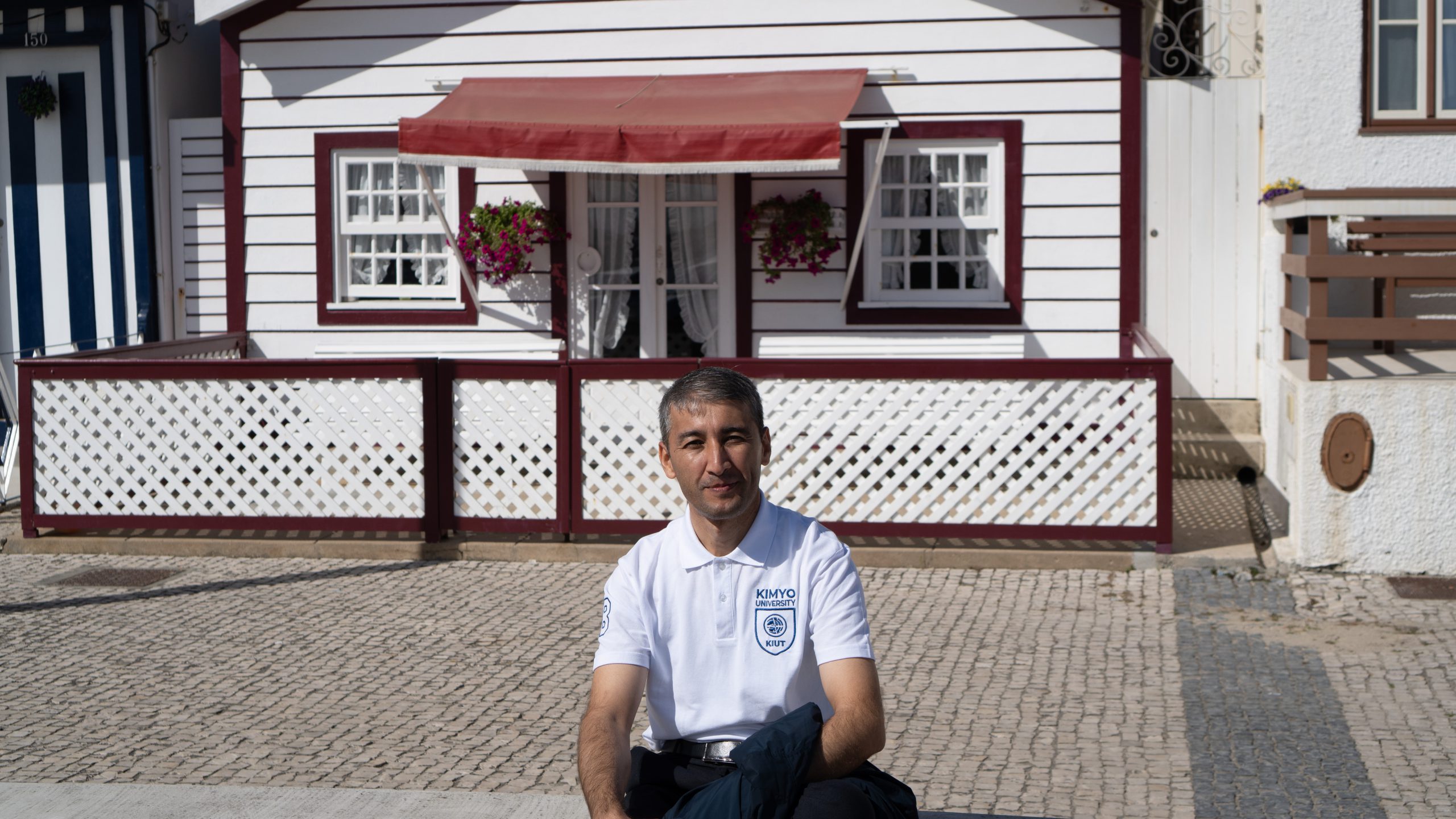
The Aveiro meeting was not only about presentations and technical discussions. The programme also included a visit to the University of Aveiro campus, a cultural tour and a social dinner, providing valuable opportunities for partners from Uzbekistan, Portugal and Spain to connect in a more informal setting.

The planned technical visit on Friday afternoon was replaced by a morning programme of technical visits to different areas of Aveiro with environmental relevance for the city, offering partners an additional opportunity to connect the project’s environmental engineering focus with real-world local contexts.

Entering the final stretch

The Aveiro meeting comes at an important moment for GREENDT. With the project approaching its final phase in 2027, several of its most significant results are now taking shape: the EE Laboratory equipment is being procured, the first internal versions of the digital platforms are available, the MSc programme has been developed and is moving towards accreditation, and the consortium is actively working on the exploitation and long-term sustainability of its results.

Beyond these tangible achievements, the meeting demonstrated another essential strength of GREENDT: the ability of partners to work together, exchange knowledge and build the relationships needed to turn the project’s plans into lasting results.

As the consortium looks towards 2027, the focus is now firmly on completing implementation, achieving the expected results and maximising the project’s impact on Environmental Engineering education and the green and digital transition in Uzbekistan.

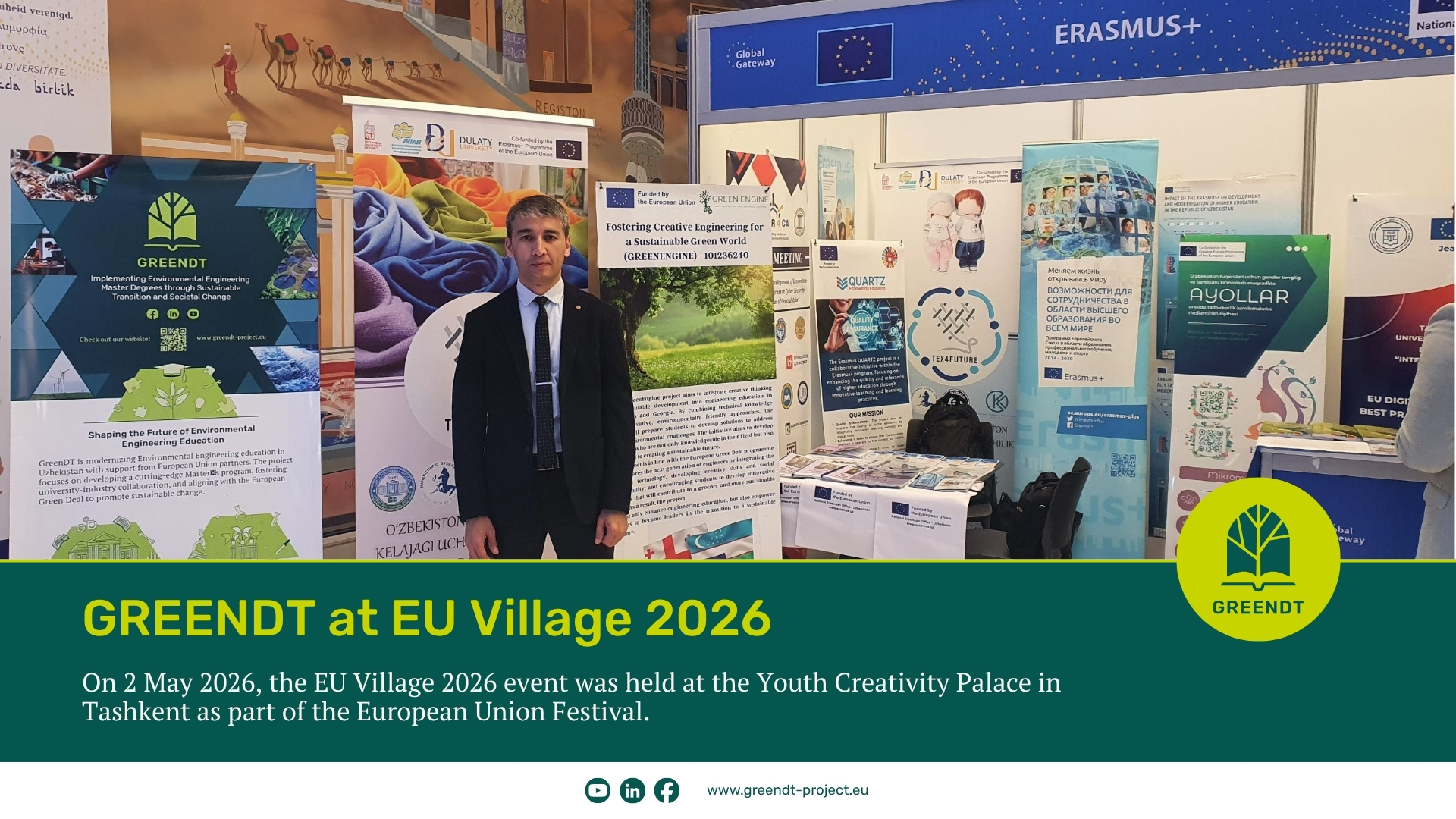
GREENDT Team Participated in EU Village 2026

On 2 May 2026, the EU Village 2026 event was held at the Youth Creativity Palace in Tashkent as part of the European Union Festival. 

The event aimed to showcase EU-funded projects, partnerships, educational opportunities, and Erasmus+ initiatives to the wider public, media representatives, students, and stakeholders. 

The GREENDT Erasmus+ CBHE project – “Implementing Environmental Engineering Master Degrees through Sustainable Transition and Societal Change” – was also represented at this important public outreach event. During the festival, GREENDT promotional and communication materials were presented to visitors, highlighting the project’s objectives, partner institutions, key activities, and expected impact on the development of Environmental Engineering education in Uzbekistan. 

GREENDT contributes to the modernization of higher education by supporting the development of Environmental Engineering Master’s programmes, promoting green transition, sustainability, climate awareness, and innovative approaches to environmental education. 

EU Village 2026 provided an excellent platform to promote the achievements of Erasmus+ CBHE projects in Uzbekistan, strengthen visibility, and engage with a broad audience interested in European cooperation and educational opportunities. 

The GREENDT team remains committed to fostering international cooperation for a sustainable future, green education, and the advancement of Environmental Engineering in Uzbekistan. 

Erasmus+ Week 2026 opens registration for a week of opportunities in Uzbekistan

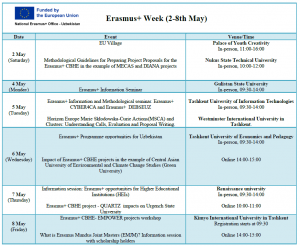
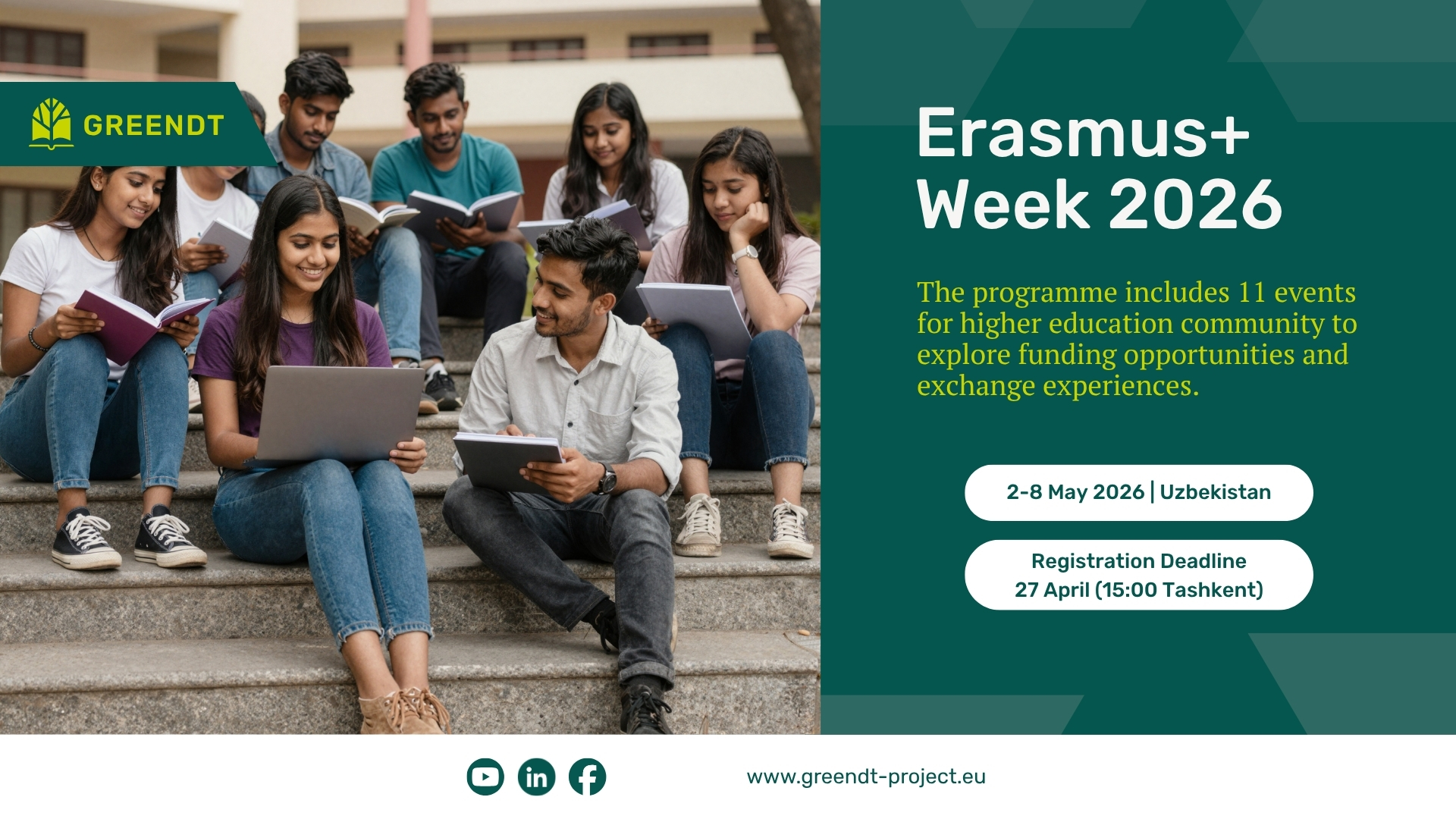
The Erasmus+ Week 2026 has officially opened its registration period, inviting participants to explore the wide range of opportunities and achievements of the Erasmus+ programme. Taking place from 2 to 8 May 2026, this week-long initiative will bring together students, academics, and professionals interested in international cooperation and higher education, with a particular focus on activities across Uzbekistan.

During the week, a total of 11 events will be held, including 8 in-person sessions across different regions of Uzbekistan and 3 online events, allowing flexible participation depending on availability. The programme will feature presentations on Erasmus+ opportunities, showcases of project results, and an online exhibition highlighting Capacity Building in Higher Education (CBHE), Jean Monnet, and International Credit Mobility (ICM) projects. In addition, participants can attend information seminars, thematic sessions, interviews, and a dedicated session on Marie Skłodowska-Curie Actions opportunities.

The registration deadline is 27 April 2026 at 15:00 (Tashkent time). It is important to note that only registered participants will receive official invitations to attend both in-person and online events. From the GreenDT project perspective, Erasmus+ Week 2026 represents a valuable opportunity to strengthen engagement with the Erasmus+ system in Uzbekistan, fostering new collaborations, and continue promoting knowledge exchange in higher education.

REGISTER HERE

GREENDT Advances with Third Train-the-Trainers Workshop in Tashkent, Uzbekistan

Preparation of Didactic Materials on Air Pollution and Climate Change

The GREENDT project continues to advance its mission of transforming environmental and engineering education across Central Asia through its third Train-the-Trainers (ToT) workshop, titled “Preparation of Didactic Materials on Air Pollution and Climate Change.”

Held from 15–17 October 2025 at the Central Asian University of Environmental and Climate Change Studies (Green University) in Tashkent, Uzbekistan, the workshop aimed to strengthen educators’ abilities to design, adapt, and implement effective teaching resources on air pollution, air quality management, and climate change mitigation.

Day 1 – Understanding Atmospheric Emissions and Air Quality Fundamentals

The first day provided a scientific foundation for understanding air pollution dynamics. Participants explored the sources and classifications of atmospheric emissions, the interaction between meteorological conditions and pollutant dispersion, and the principles of air quality assessment.

Hands-on exercises using OpenAir, an open-source analytical tool, enabled participants to visualize and interpret real-world air quality datasets. Through guided practice, they learned to process monitoring data, identify pollution episodes, and generate graphical outputs for teaching and policy discussions. 

Day 2 – Pollutants, Health Impacts, and Atmospheric Chemistry

The second day deepened the focus on the chemical and health dimensions of air pollution. Sessions examined the formation pathways of primary and secondary pollutants, their toxicological effects on human health, and chemical transformation mechanisms occurring in the atmosphere.

Participants engaged with the CLASS model (Chemistry Land-surface Atmosphere Soil Slab) to simulate atmospheric processes such as photochemical reactions and pollutant transport. These simulations served as a basis for developing interactive classroom exercises and case studies that link theory to practical environmental scenarios in Central Asia. 

Day 3 – Monitoring, Modelling, and Climate Interactions

The final day focused on integrating monitoring techniques, modelling tools, and climate change considerations. Participants learned about state-of-the-art air quality monitoring networks, data calibration techniques, and forecasting methods for predicting pollution levels.

Practical sessions on remote sensing and satellite data analysis introduced participants to the use of atmospheric imagery for identifying large-scale pollution patterns and climate feedback loops. Laboratory demonstrations on aerosol sampling and chemical analysis further complemented these digital methods, helping educators translate complex scientific tools into accessible learning experiences.

The day concluded with a collaborative session to review and refine the didactic materials developed throughout the workshop. Participants discussed how to integrate these resources into existing curricula, ensuring that future engineers and environmental scientists gain both theoretical knowledge and practical analytical skills. 

Towards Sustainable Air Quality Education

This third ToT workshop marked a major milestone in GREENDT’s effort to empower educators and researchers with advanced methodologies for teaching air pollution and climate change. By combining scientific depth, data-driven analysis, and applied learning, the workshop equipped participants to produce high-quality educational materials that will enhance environmental education across the region.

Through this initiative, GREENDT continues to build a network of trainers capable of fostering sustainability-focused education and supporting evidence-based decision-making in air quality and climate management — contributing to a cleaner, healthier, and more resilient future for Central Asia and beyond.

GREENDT held dissemination conference at CAGU on green and digital transformation

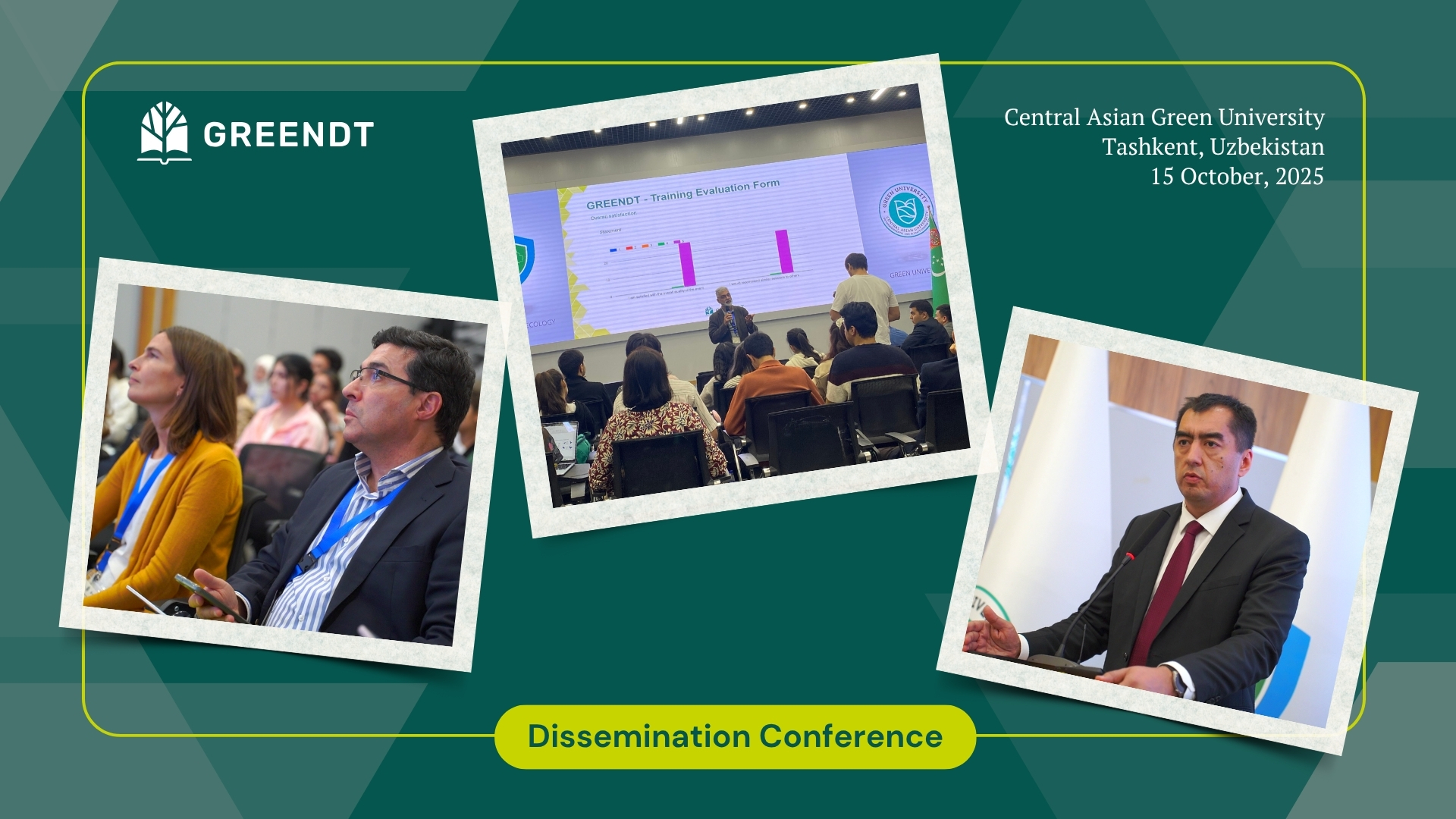
The GREENDT Project held a Dissemination Conference on October 15, 2025, at the Central Asian Green University (CAGU) in Tashkent, Uzbekistan. The event brought together representatives from ministries, universities, and related initiatives to exchange perspectives and foster collaboration on sustainable development, environmental engineering educationt and digital transformation in Central Asia.

As hosts of the event, the seminar was opened by Mr. Shakhriyor Nurulloev, Vice-Rector and currently Acting Rector of CAGU, who welcomed participants. Following him, Duarte Alves, coordinator of the GREENDT Project, presented the project’s status, emphasizing its key role in supporting environmental engineering education in Uzbekistan.
The conference then turned to the experiences gained through the Training of Trainers (ToT) activities carried out under the GREENDT framework. Claudio Cameselle (Universidade de Vigo), António Curado (Instituto Politécnico de Viana do Castelo), and Carla Gama (Universidade de Aveiro) shared insights and reflections from the ToT sessions recently held in Ourense, Viana do Castelo, and in parallel with the event at CAGU. Their contributions covered a wide range of topics, including engineering diplomacy, equity and inclusion, and water management; sustainable energy management, natural radiation, and GIS; as well as air pollution and climate change.

The seminar also featured presentations from related initiatives active in Uzbekistan and Central Asia, showcasing their efforts to foster sustainability, innovation, and capacity building across the region.

  • The SPHERE project (2024-2027) is driving Uzbekistan toward a greener future by transforming higher education into sustainable transportation.
  • The GDCAU project (2024-2027) aims to promote sustainable development and green transformation within higher education institutions in Central Asia.
  • The SILKWAY project (2024-2027) is focused on electricity and heat production, which is also particularly important given the current geopolitical situation affecting countries in the Central Asian region.

Through this conference, GREENDT reinforced its commitment to advancing green and digital transformation in higher education, fostering stronger academic cooperation between European and Central Asian institutions.

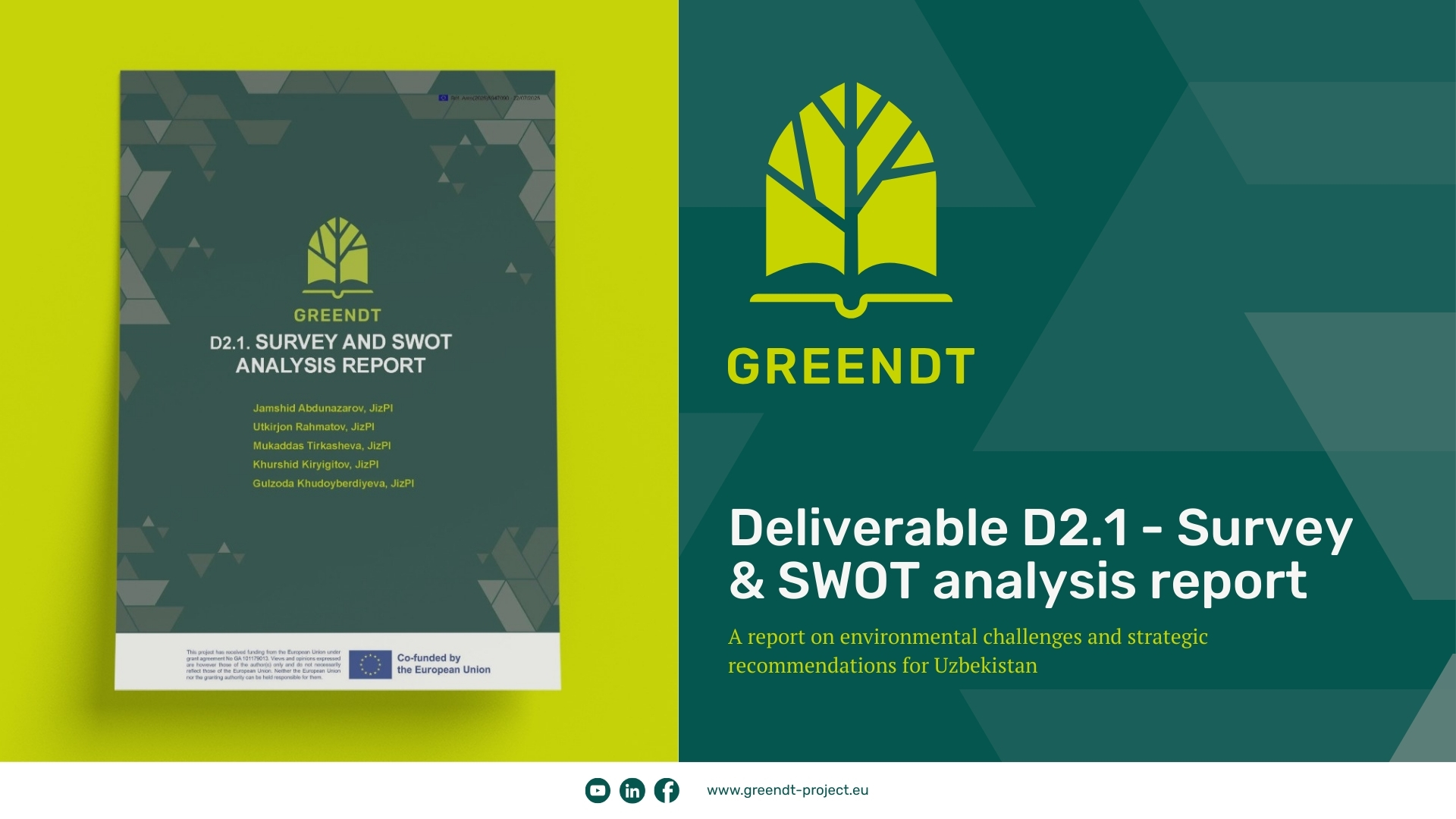
GREENDT releases Deliverable D2.1: A report on environmental challenges and strategic recommendations for Uzbekistan

The GREENDT project has released Deliverable D2.1 – Survey and SWOT Analysis Report, which is now available on the project website. Developed under Work Package 2, led by Industry, the report provides an in-depth assessment of Uzbekistan’s most pressing environmental challenges and offers strategic recommendations to enhance education, innovation, and sustainability in the country.

The deliverable focuses on key environmental challenges emerging from Uzbekistan’s rapidly developing industrial sector, including air, water, and soil pollution, as well as waste management issues and the urgent need for energy efficiency and green transition. Within the framework of the GREENDT project, the report plays a crucial role in strengthening master’s-level education in environmental engineering and fostering stronger collaboration between academia and industry.

To prepare the report, the JizPI team conducted an extensive survey targeting higher education institutions (HEIs) and industrial enterprises. The questionnaire addressed topics such as environmental legislation, educational gaps, industry integration, skills requirements, and innovation opportunities. The collected data was complemented by a SWOT analysis of Uzbekistan’s current environmental policies and educational system.

The findings reveal both significant potential and critical challenges. While there is growing awareness of environmental protection laws and an increasing demand for master’s programmes in environmental engineering, the report identifies key weaknesses, including limited cooperation between universities and industries, insufficient research infrastructure, and a shortage of qualified professionals. Opportunities lie in developing joint programmes with European universities, integrating innovative teaching methods, and expanding practical training through laboratories and internships.

Based on these insights, the report proposes some recommendations, including:

  • Strengthening collaboration between universities and industry.
  • Enhancing practical and technical skills through modern teaching tools and laboratory work.
  • Integrating European best practices into the local education system, including dual degree programmes.
  • Improving systematic monitoring and quality assessment to align local standards with international frameworks.

The publication of Deliverable D2.1 represents an important milestone for the GREENDT project, offering valuable insights and practical recommendations to enhance environmental education and foster sustainable industrial development in Uzbekistan.
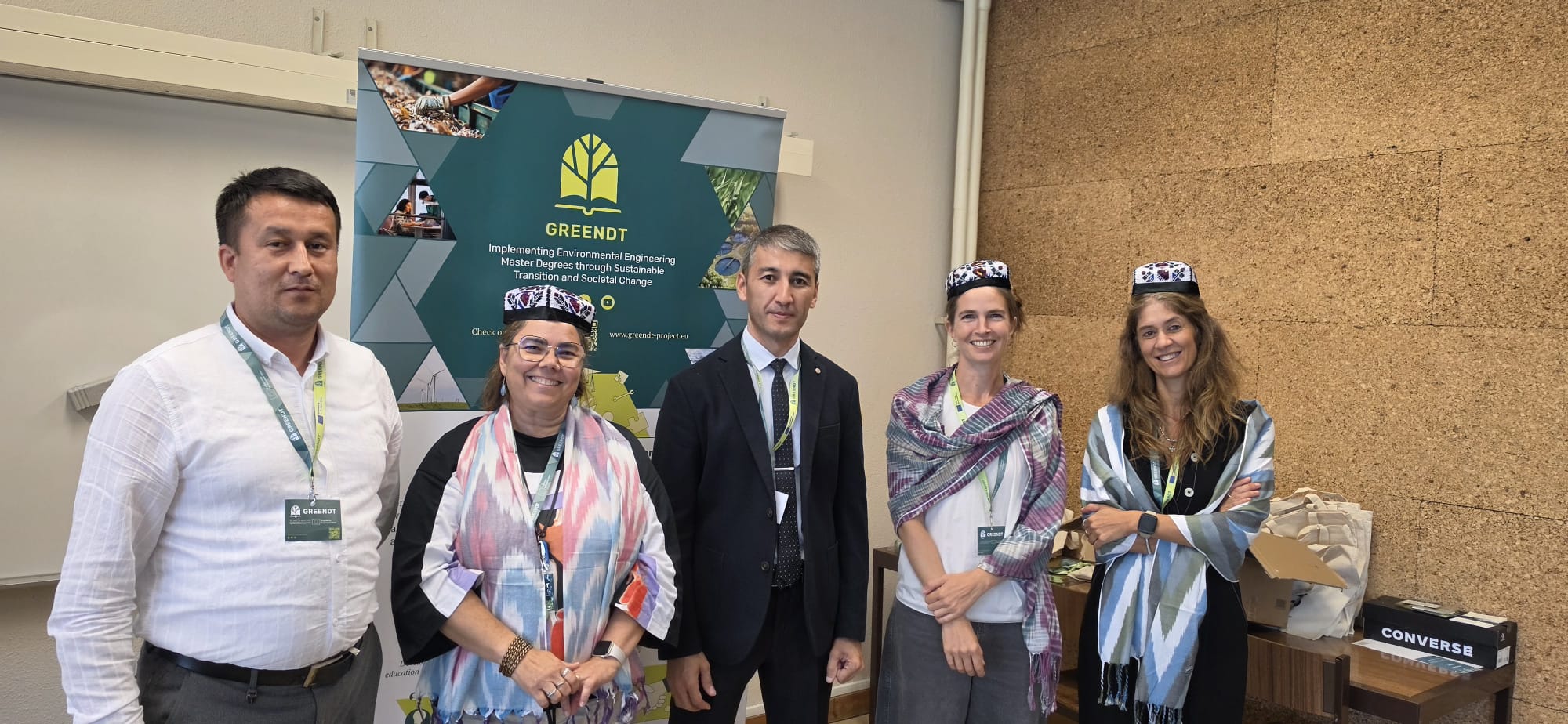
The full report is now available for download HERE!

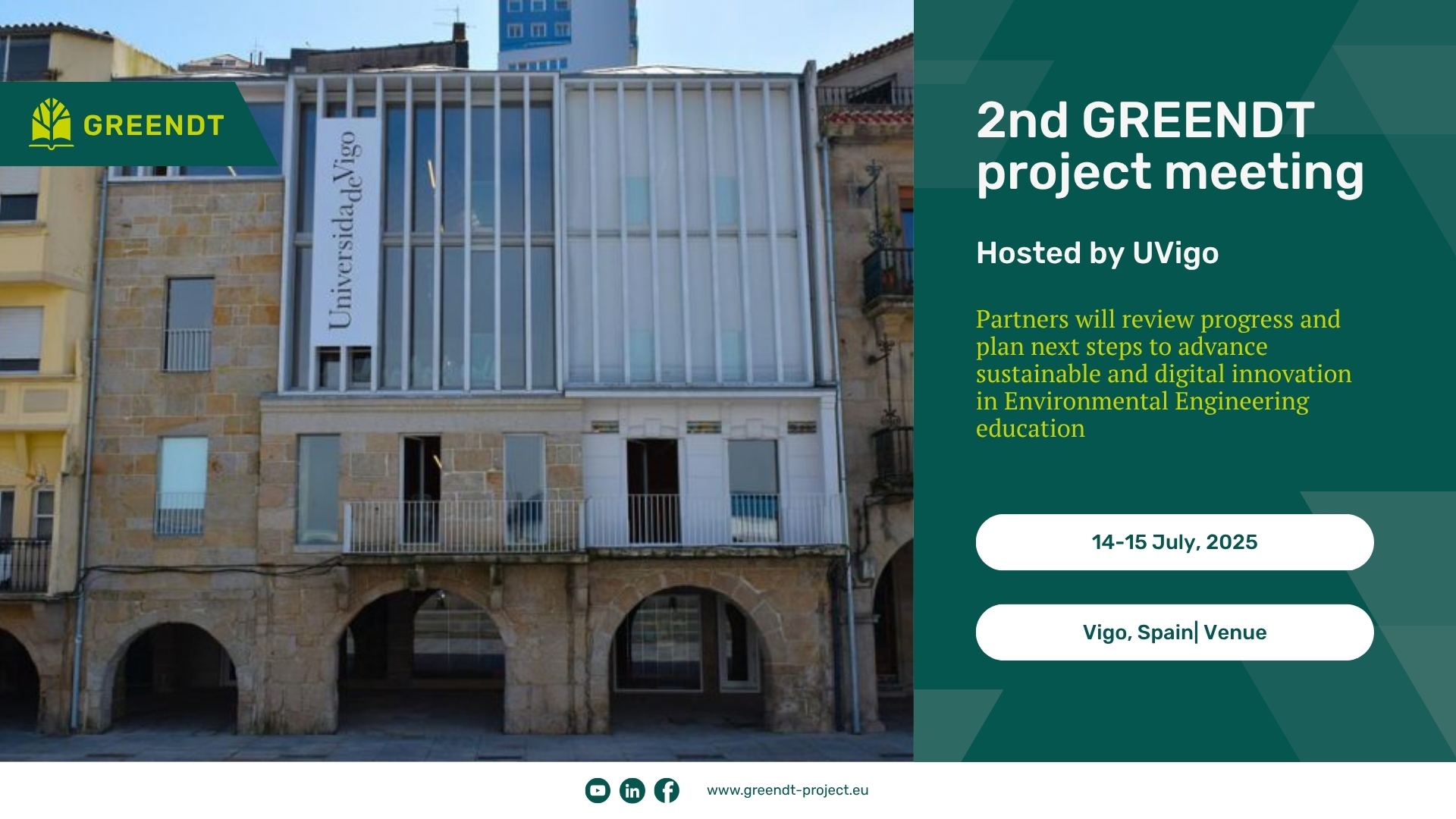
The GREENDT consortium to hold in Vigo its second project meeting for advancing Environmental Engineering Education

From July 14 to 15, 2025, the GREENDT consortium will gather in Vigo, Spain, for its second project meeting, which will take place at the Edificio Redeiras. Over two intensive days, partners will discuss the progress made, align efforts, and coordinate the next steps. Focusing on sustainable transition, digital innovation and capacity building, the project aims to support an inclusive transition across Uzbekistan’s and Central Asian Higher Education Institutions. 

Day 1 

The meeting will begin with welcome speeches and a brief overview of the agenda, led by Maribel Doval from the University of Vigo (UVigo). 

The morning will focus on project coordination (WP1), where the Instituto Politécnico de Viana do Castelo (IPVC) will present updates on the overall status, project deliverables, financial aspects, and the consortium agreement. The session will also include a presentation of the project’s Quality Control Plan and an external evaluation strategy. These tools are essential to ensure that the work stays on track and meets the expected standards. 

In the afternoon, after lunch, the spotlight will turn to the project’s technical work packages. WP2 and WP3 will address the planning of the next training sessions, with input from Jizzakh Polytechnic Institute (JizPI), Universidade de Averiro (UAveiro), Central Asia Green University (CAGU), and the UVigo. WP4 and WP5 will follow, with updates on laboratory equipment procurement, the implementation of the EE Nexus platform, and strategies for implementing training and digital learning platforms in Uzbek partner institutions. The day will wrap up with a group discussion to consolidate key insights and prepare for the strategic planning to come. 

Day 2 

The second day will shift focus toward the implementation of new educational programs. WP6 presentations will outline plans for launching master’s degrees in Environmental Engineering, while WP7 will address dissemination activities, including events in Vigo and Viana do Castelo.  

After a short coffee break and informal interviews led by the Fundación Empresa-Universidad Gallega (FEUGA), the group will dive into a planning session to review the project’s timeline, performance indicators, and key takeaways from the meeting. CAGU will also present a preliminary plan for the next consortium meeting. 

In the afternoon, participants will have the opportunity to visit the UVigo campus and learn more about the university’s facilities and educational environment. The meeting will close with a special cultural event, “Uzbekistan Cultural Day,” organized in collaboration with UNESCO and Fergana State Technical University (FerPI). It will be a unique chance to celebrate cultural exchange and strengthen the sense of community across the GREENDT partnership. 

Looking ahead 

The upcoming meeting in Vigo will be a key milestone for GREENDT. As the project begins to move from planning into implementation, partners will have the chance to build on the work done so far and take concrete steps toward strengthening environmental engineering education. With everyone’s continued collaboration and commitment, GREENDT is well positioned to bring about meaningful, long-term improvements in higher education systems across Central Asia. 

EU-Central Asia Summit Marks New Chapter in Regional Cooperation

On 4 April 2025, the first-ever EU-Central Asia Summit took place in Samarkand, Uzbekistan, marking a historic milestone in the relations between the European Union (EU) and the Central Asian countries. The summit was chaired by President Shavkat Mirziyoyev of Uzbekistan and attended by the President of the European Council António Costa, the President of the European Commission Ursula von der Leyen, and the leaders of the five Central Asian countries: President Kassym-Jomart Tokayev of Kazakhstan, President Sadyr Japarov of Kyrgyzstan, President Emomali Rahmon of Tajikistan, and President Serdar Berdimuhamedov of Turkmenistan.
The leaders gathered to elevate EU-Central Asia relations, agreeing to establish a strategic partnership that will guide their collaboration in the years ahead. This summit followed years of intensifying high-level engagements and bilateral cooperation between the two regions, with the leaders recognizing the profound transformation in Central Asia that has led to deeper ties with the EU.

A Strong Commitment to Partnership

During the summit, President Mirziyoyev emphasized the growing need for close cooperation between Central Asia and the EU, highlighting the mutual political will that has driven the transformation in the region. “The development of our multifaceted cooperation is facilitated by the profound transformation in Central Asia, which has become sustainable and irreversible thanks to common political will,” Mirziyoyev said. He stressed that the summit would result in concrete decisions and initiatives to implement the agreements made.
EU leaders also expressed their commitment to deepening cooperation. António Costa, President of the European Council, affirmed, “After years of successful cooperation, it is time to take our partnership with Central Asia to the next level, deepening trade, strengthening regional collaboration, and expanding people-to-people ties.” Ursula von der Leyen, President of the European Commission, echoed this sentiment, highlighting the launch of a €12 billion investment package under the Global Gateway Strategy aimed at strengthening transport links, critical raw materials, and cooperation on energy and water.

Key Achievements and Commitments

One of the key announcements from the summit was the €12 billion Global Gateway investment package aimed at boosting transport connectivity, energy cooperation, and the green transition between the EU and Central Asia. Leaders also discussed the ongoing efforts to enhance the Trans-Caspian Transport Corridor, which will link Central Asia with Europe through sustainable transport infrastructure and logistics networks.

To support these initiatives, a €10 billion international investment package was also mobilized to enhance sustainable transport infrastructure in the region. Additionally, EU leaders reaffirmed their support for the accession of Uzbekistan and Turkmenistan to the World Trade Organization (WTO), which will further integrate these countries into the global economy.

In terms of sustainable development, the summit saw the endorsement of the EU-Central Asia declaration of intent on critical raw materials, underscoring the shared commitment to building sustainable value chains for these materials essential to green technologies and the energy transition.

Regional and Global Security

The leaders also reiterated their commitment to regional and global stability. They expressed concerns about the ongoing situations in Afghanistan and Ukraine, agreeing to cooperate on security and the peaceful resolution of conflicts in these regions. The importance of maintaining the rule of law, human rights, and fundamental freedoms was also emphasized as central to the evolving EU-Central Asia partnership.

A New Chapter in EU-Central Asia Relations

In their concluding remarks, EU leaders congratulated President Mirziyoyev for his hospitality and the successful organization of the summit, which marks a new chapter in EU-Central Asia relations. The strategic partnership will serve as the foundation for a deeper, long-lasting collaboration between the two regions, aiming for mutual prosperity, peace, and stability.

With this historic summit, the EU and Central Asia have paved the way for a future of stronger economic ties, sustainable development, and enhanced security cooperation, fostering a partnership that will benefit both regions for generations to come.